- Home
- Beverages
Best Drink Recipes – German Beverages – Oma's Getränkerezepte

by: Gerhild Fulson / Cookbook Author, Blogger, German Oma!
What are the best drink recipes, aka Getränke? The most famous of German beverages? Beer or wine? Not necessarily. The similarity of drinks to other parts of the world ends with the names: coffee, tea, juice, and water.
The flavors in Germany are usually quite different.
Coffee, for example, is characteristically brewed fresh, cup by cup, even in the "fast food" places. Coffee machines that make a pot at a time seem almost non-existent. And nothing quite compares to its taste.
Although most enjoy it black, a type of condensed milk, aka Kaffeesahne, is used in place of cream or milk.
In restaurants, coffee comes in a small cup, usually with a sweet served on the doilied saucer. Want a little more coffee? Then order a "pot" and you'll get enough for a mug!
Black tea and fruit teas are also popular in Germany. Common teas are Camomile (Kamillentee), Fennel (Fencheltee), Peppermint (Pfefferminztee), and Rosehip (Hagebuttentee).
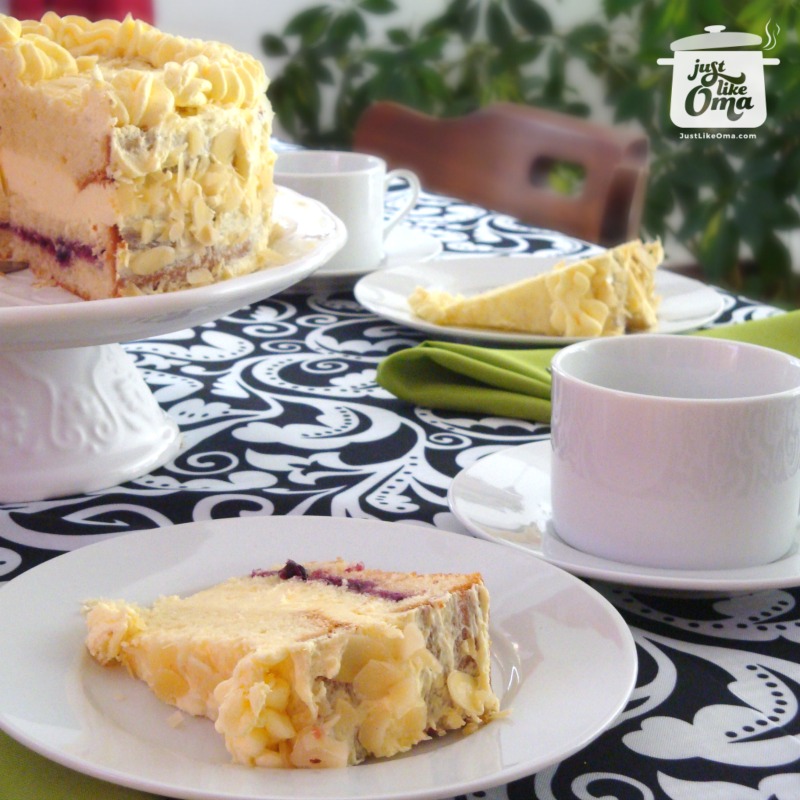
Freshly brewed coffee is perfect alongside this Buttercream Torte.
Juice is very common, especially apple juice served as Apfelschorle. This very refreshing drink is easily made at home, but is often bought ready-made. Orange and grape juices are also common.
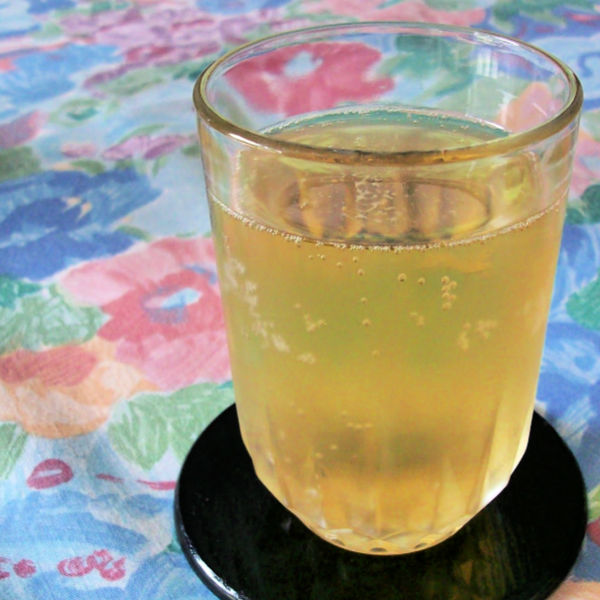
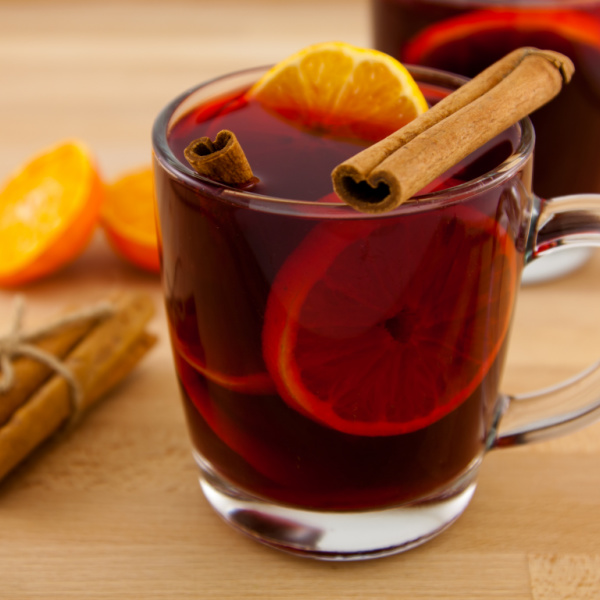
Fruit juices are also a main part of holiday punch recipes. For example, this Non Alcoholic Punch Recipe uses a mixture of fruit juice and tea. Great for kids as well.
Popular as well are multivitamin ACE drinks. These are fruit and vegetable juices with added vitamins (A, C, and E). Considered "wellness drinks", they are well received by the health-conscious Germans.
Want to know which recipes are Oma's favorites? Grab your copy of her very favorite recipes in Favorite German Recipes eCookbook.
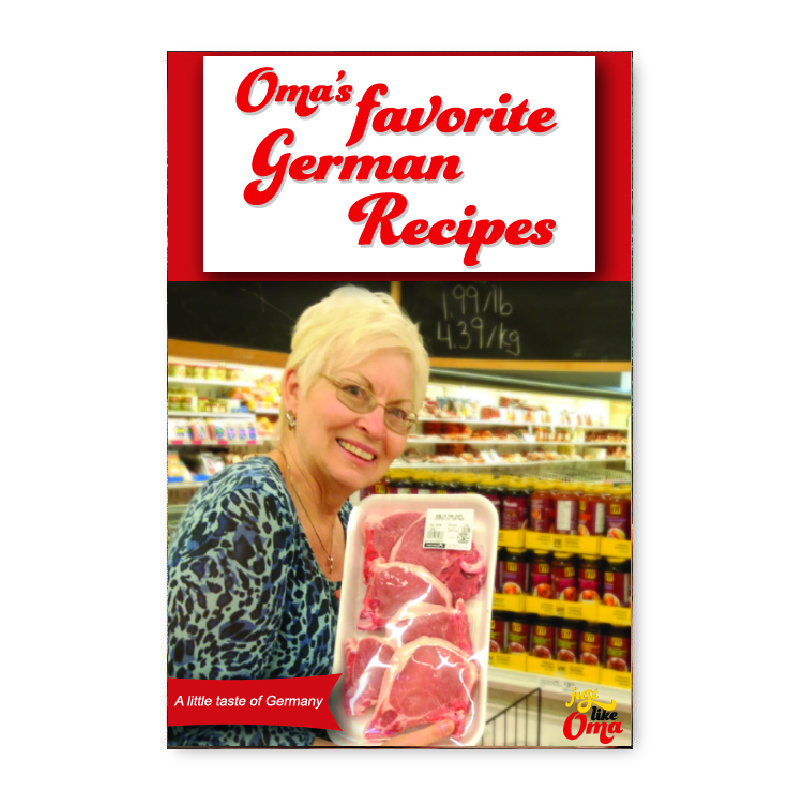
Take a peek at all Oma's eCookbooks. They make sharing your German heritage a delicious adventure!
Oma says,
Ordering water in Germany is an interesting experience.
If not specified, you will usually receive a sparkling carbonated water. If you want regular water, ask for "water without gas" ... "Wasser ohne Gas!" And, be prepared to pay more for your water than for beer or wine!
Mineral water is also available and comes from the mountains and is high in minerals such as calcium, potassium, and magnesium.
Never, never ask for tap water! People will think you're a bit 'peculiar'!
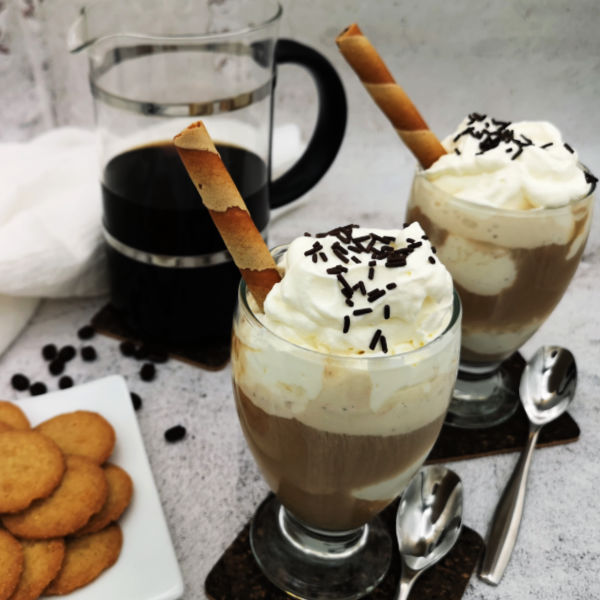
Some of the BEST German Beverages

You might like these
Best Pound Cake Recipe – Oma's Sandkuchen Rezept.
My best pound cake recipe (Sandkuchen) is this one. My Oma made it, my Mutti made it, and now I make it! It's so quick and easy to make and tastes SO good!
German Cream Roll Recipe – Oma's Biskuitrolle
Oma's Cream Roll recipe, Biskuitrolle, is the German version of a Swiss roll or jelly roll. Filled with whipped cream and studded with berries, this is an easy-to-make treat anytime of the year.
German Marble Pound Cake Recipe – Oma's Marmorkuchen
This favorite marble pound cake recipe has been in our family for years. It's a traditional German Marmorkuchen that's easy to make.


 |
Leave a comment about this recipe or ask a question?
Pop right over to my private Facebook group, the Kaffeeklatschers. You'll find thousands of German foodies, all eager to help and to talk about all things German, especially these yummy foods.
Meet with us around Oma's table, pull up a chair, grab a coffee and a piece of Apfelstrudel, and enjoy the visit.
Newest Recipes


-
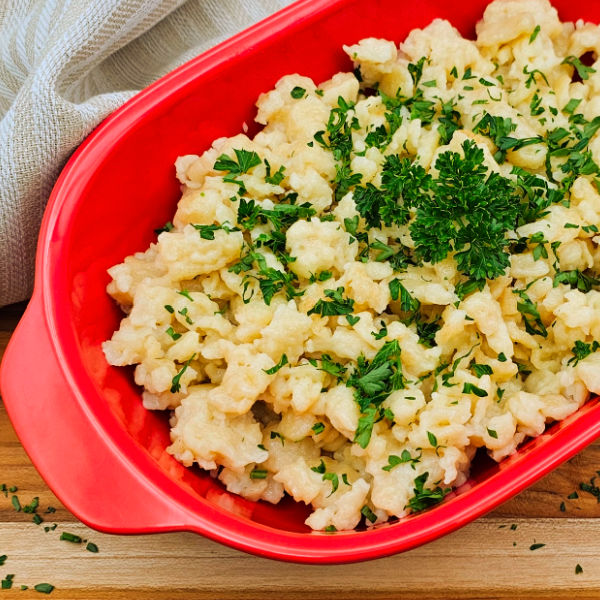
Easy Homemade German Spaetzle Recipe – Oma's Egg Noodles (Spätzle).
 Make the perfect German Spaetzle with Oma's easy recipe! This traditional German egg noodle pairs perfectly with caramelized onions for a delicious meal.
 -
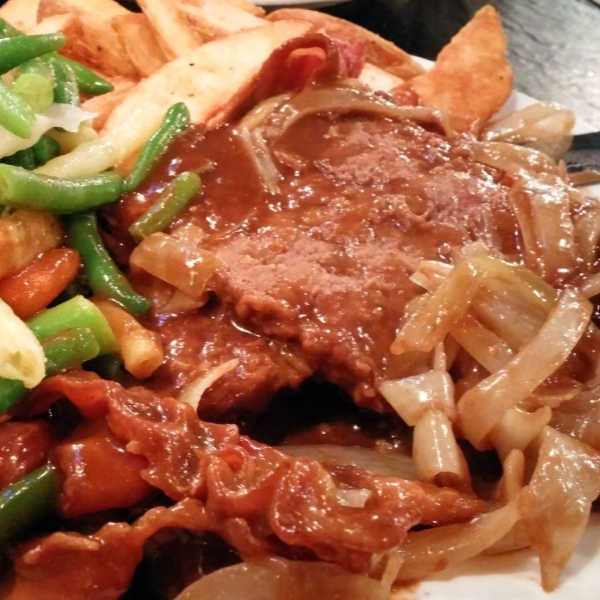
Calve's Liver and Onions Recipe with Apples: Oma's Leber und Zwiebeln.
This easy liver and onions recipe is so tasty with the added apples. A hubby and kid pleaser, this is quick to make. -
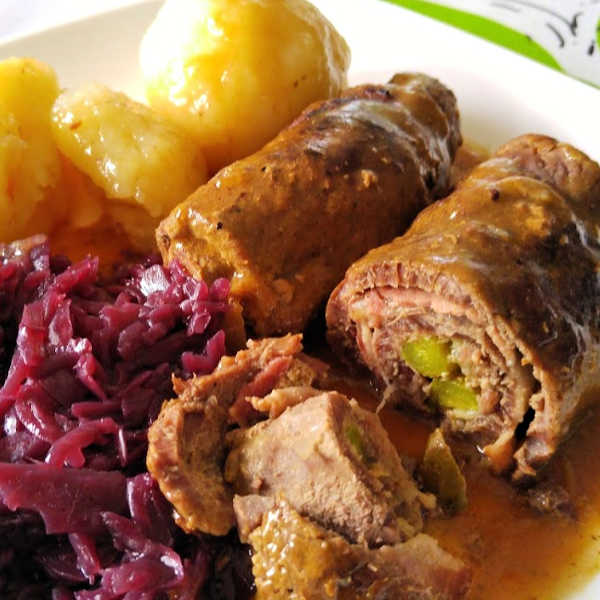
Oma's Authentic Beef Rouladen Recipe – German Beef Rolls.
This traditional German beef rouladen recipe served with potato dumplings and red cabbage is my most cherished German food from my childhood and still our very favorite.
* * * * *
Make every day a day of POSSIBILITIES!
"For nothing is impossible with God."
Luke 1:37 (NLT)
Let's connect...

Hi, I'm Oma Gerhild! As a food writer and cookbook author, I'm always looking to find ways to pass on my German heritage using local ingredients. Quick and easy. That's my goal. Wunderbar food. That's the result.

What others are saying about Oma's cookbooks
As a German-American that is a bit culinarily challenged, this book is a true blessing...
This classic cookbook (German Meals at Oma's) has not only a variety of different recipes, but also key notes to help even those with little experience in the kitchen learn to make excellent German cuisine.
Erika Neumayer Ehrat, Owner & designer of Rare Dirndl

Thanks for checking out this website and all the recipes.
I hope you’ve found something wunderbar to make!
If you love making easy German food as much as I do, I invite you to stay in touch with what’s going on around here by connecting with me on these channels:
Tschüss!

Copyright © | Quick German Recipes (Just like Oma) | All Rights Reserved
Powered by: Make Your Knowledge Sell!
AFFILIATE DISCLOSURE: Quick German Recipes participates in various affiliate advertising to provide a means to earn advertising fees by linking to retail websites. This website is a participant in the Amazon Services LLC Associates Program, an affiliate advertising program designed to provide a means for sites to earn advertising fees by advertising and linking to amazon.com and affiliated sites. I will not promote products I do not own or would not buy myself. My goal is to provide you with product information and my own personal opinions or ideas. At times, I will showcase services, programs, and products. I aim to highlight ones that you might find interesting, and if you buy future items from those companies, I may get a small share of the revenue from the sale. We are independently owned and the opinions expressed here are our own.
YOU SHOULD ALWAYS PERFORM DUE DILIGENCE BEFORE BUYING GOODS OR SERVICES ONLINE.
Quick-German-recipes.com does not sell any personal information
