Spice up your inbox with FREE German recipes and a free recipe ebook!
Spice up your inbox with FREE German recipes and a free recipe ebook!
- Home
- German Celebrations and Holidays
- Easter Traditions in Germany
Celebrating Easter Traditions In Germany: Customs & Food

by: Gerhild Fulson / Oma Gerhild shares easy, authentic German recipes you can trust, rooted in family tradition and featured in her cookbooks.
THIS POST MAY CONTAIN AFFILIATE LINKS, WHICH MEANS I’LL RECEIVE A COMMISSION IF YOU PURCHASE THROUGH MY LINKS, AT NO EXTRA COST TO YOU. PLEASE READ FULL DISCLOSURE FOR MORE INFORMATION.
Published: Mar 19, 2023, Updated: April 12, 2025
Discover the Easter traditions in Germany that will engage your senses and uplift your spirit. Ostern is a cultural celebration filled with delight, wonder, and the yummy food listed below.
Easter preparation actually starts many weeks before the date, sometime between March 22 and April 25. Its date is different every year and depends upon when Passover is celebrated. And that is based on the Jewish calendar and the lunar cycle. Easter is always on the Sunday after the first full moon after the spring equinox.
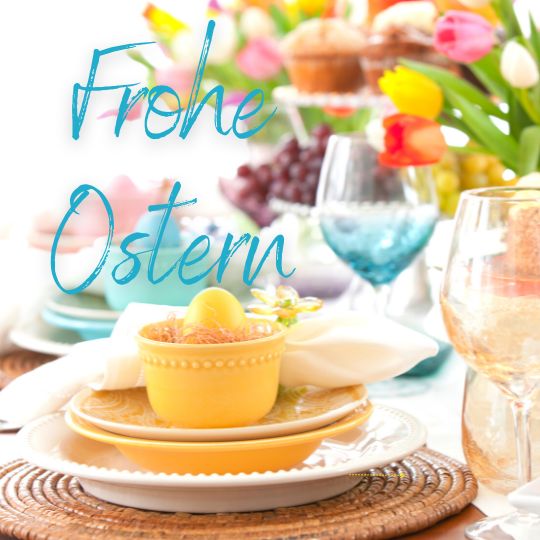
German Easter Markets
Ostermarkt (Easter markets) are in many towns. This German tradition has been going on for generations, where families come together to have a fun day of trying different Easter treats and participate in loads of shopping.
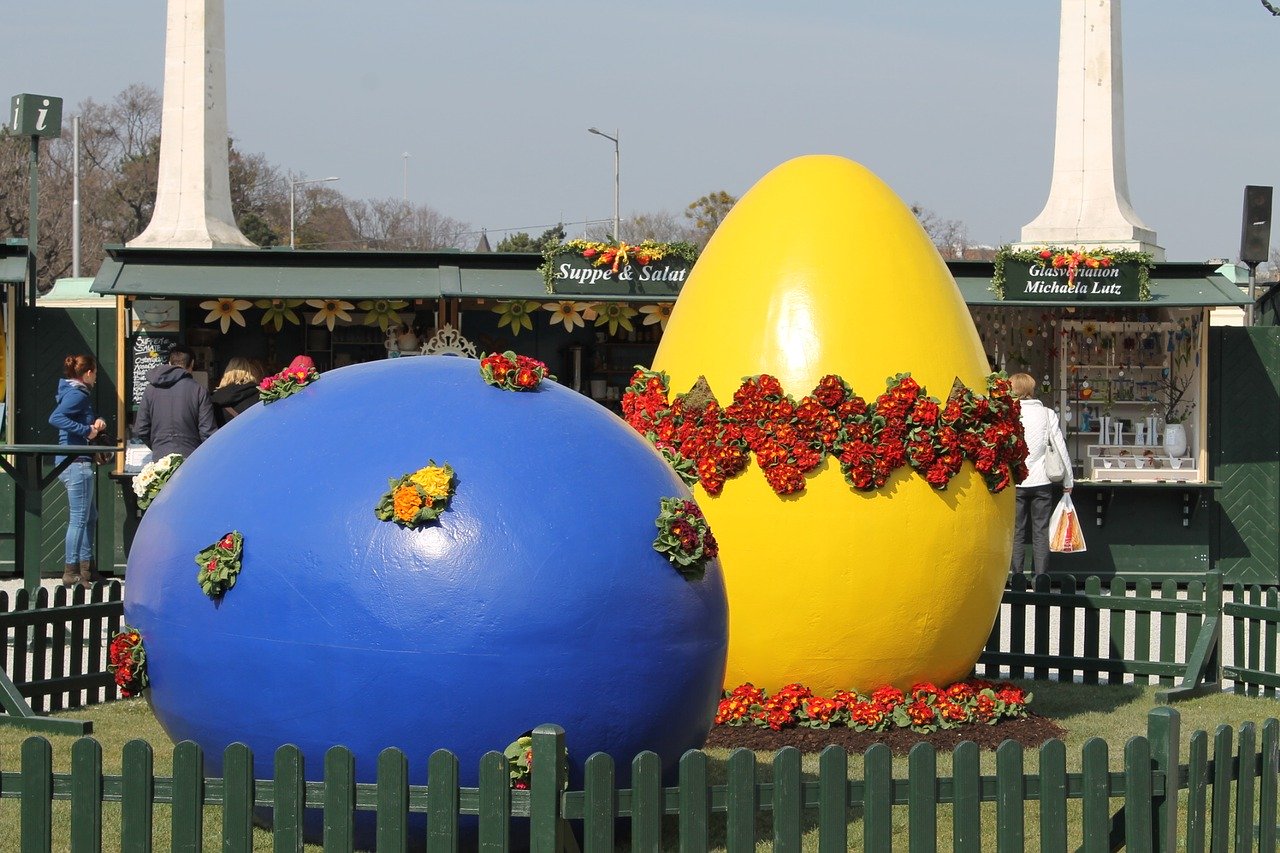 auf dem Ostermarkt
At the charming market stalls, you'll find a wonderful assortment of ornamental pieces. Vendors offer everything from beautiful hand-painted eggs to handmade ornaments, often made of wood, as well as a wide variety of Easter crafts.
These items are highly sought-after, as Germans widely decorate their homes and gardens, especially with eggs to celebrate Easter with much enthusiasm. Yes, it's treated similarly to Christmas, meaning, of course, there is food. Lots of food and fun. Chocolate bunnies. Chocolate. Yum.
Decorate Your Home, German-style
If you can't make it to the German Easter markets, take a look at my handpicked selection of German-inspired decorations, perfect for adding a touch of tradition to your home. It's a curated list that also includes specialty items made in Germany.
Whether you're looking for something classic or offbeat, you'll discover items to bring a touch of German charm into your home. You'll find the following on my Amazon Shop:


German Easter Decorations
Since Easter eggs and Easter bunnies seem to have originated in Germany, much is seen of this in decorations throughout the country. And since it's the beginning of spring, flowers and baby chicks are also widely used.
From Oma's heart to your table
Complete your set today - order now!

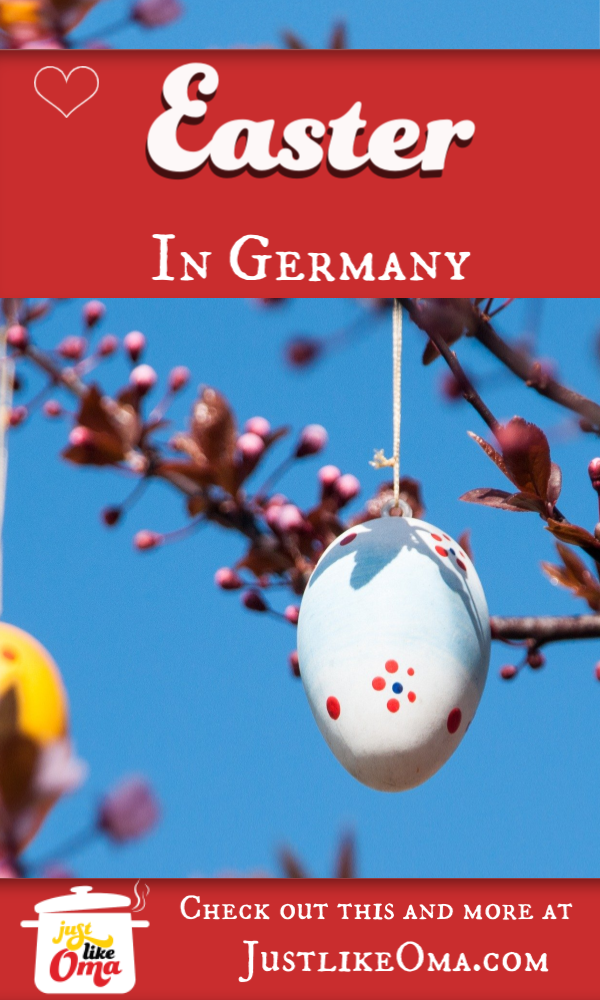
One of these German Easter traditions is the Osterbaum, the Easter tree. This is a small tree or several branches adorned with decorated hollowed-out eggs.
Traditionally, raw eggs are prepared by poking pinholes at each end of the shell and blowing the contents out (saving the egg yolk and egg white mixture for Easter baking). These are then allowed to dry out. Once the inside is completely dry, the eggshells are dyed and/or hand painted.
These eggs are hung with ribbons on the tree. If they are hung on just branches, an Osterstrauß, these are either hung from the ceiling or put into vases. Outside, these eggs are usually made from plastic or wood.
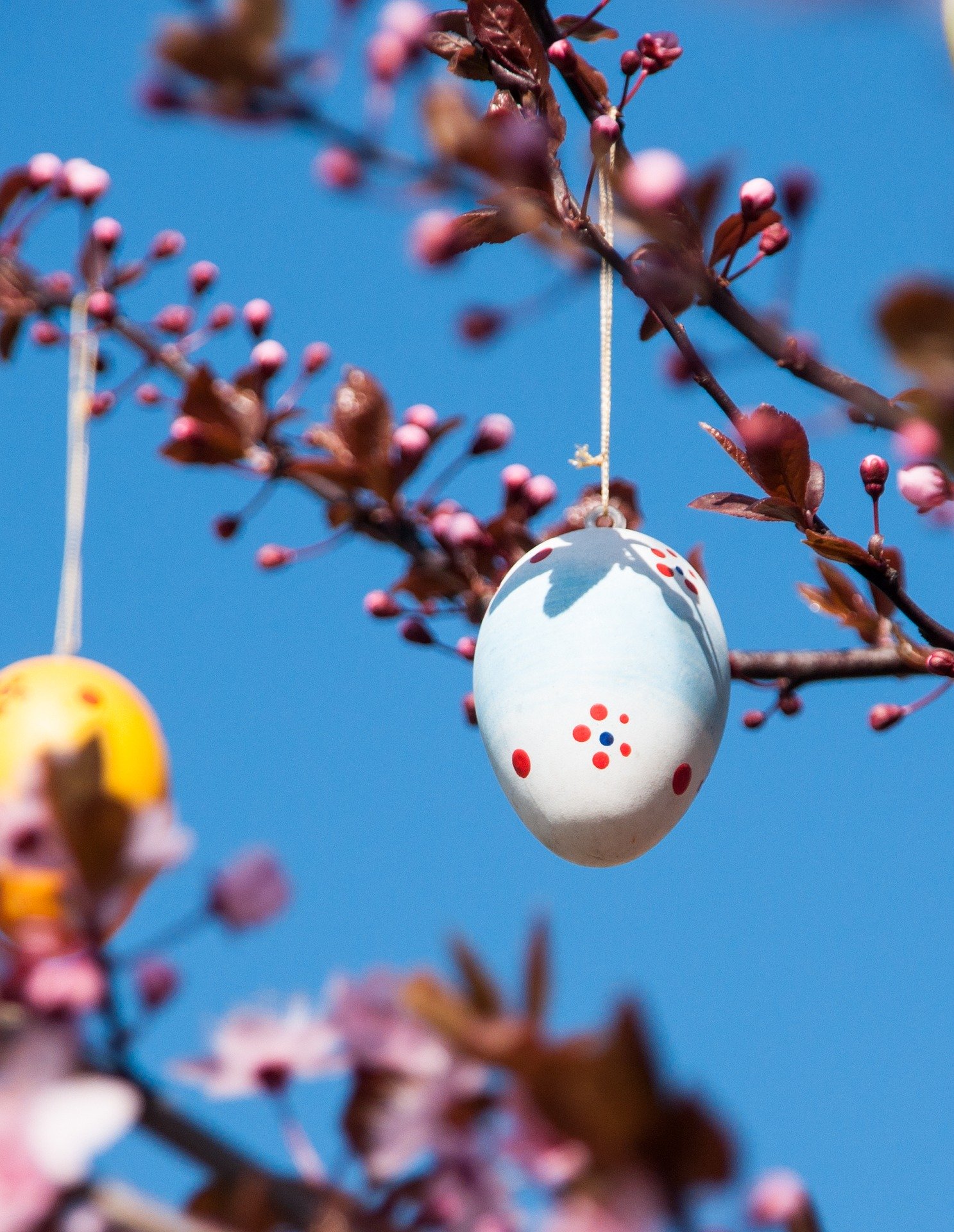 Osterbaum
In some parts of Germany, one can find Easter fountains, which are the town's water fountain is decorated with flowers, ribbons, and eggs. This, as well as other older German customs from various regions of Germany, were grounded in religious meaning.
Many now, in modern times, are just passed along as a way to maintain the older traditions of German culture, having lost their original purpose.
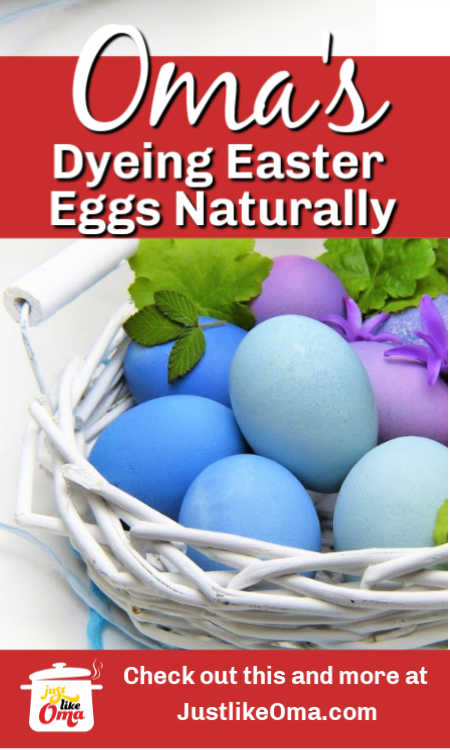
How To Dye Easter Eggs Naturally
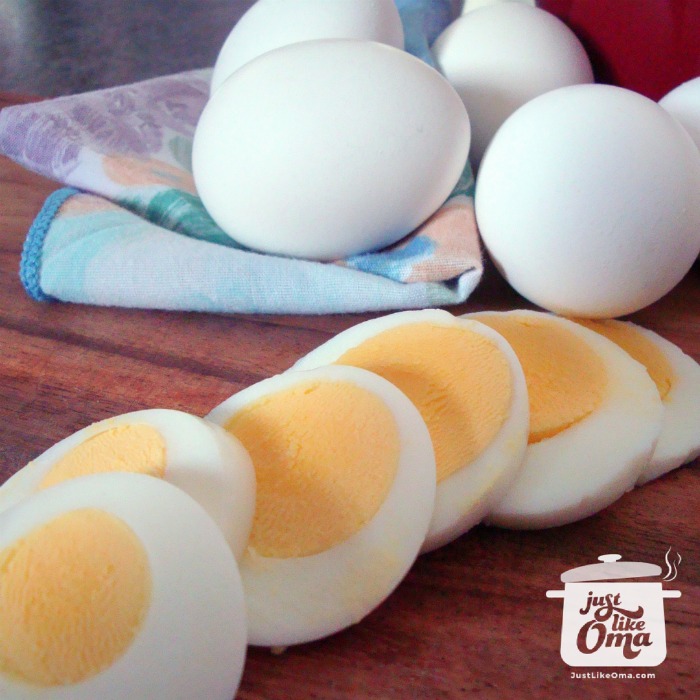
Hard-boiled eggs are colored and hidden in the garden for children to find on Easter morning. If it's too cold where you live, then throughout the house works. That's what my Mutti used to do for us children, and that's what we did with ours.
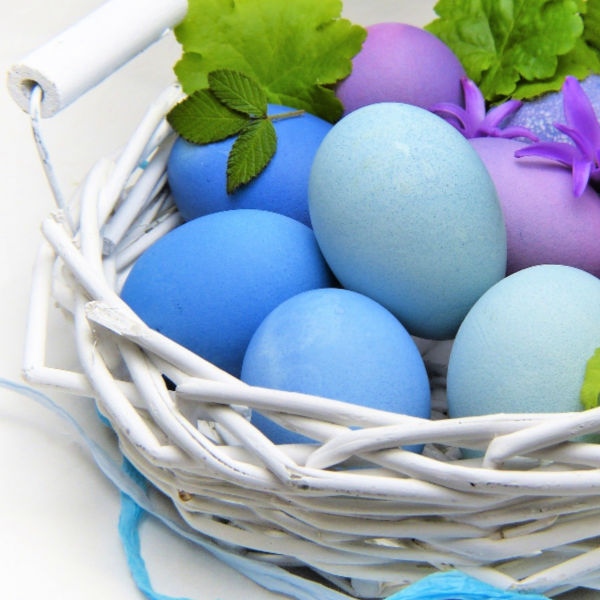
You can easily dye eggs using natural ingredients. A quick trip through the kitchen and you can be creative in dyeing eggs in a multitude of bright or pastel shades.
You can get the kids involved in decorating using markers, stampers, and even crayons after the eggs have been dyed. These eggs can then be used not only for the traditional Easter Egg Hunt, but also for decorating in one's home.
Pop over to my Amazon Shop and grab these ready-to-go eggs and Easter stamps that are great for imprinting eggs and more (even home-made cards would be a creative idea).


The Easter Celebration – The Christian Holiday
Sunday before Easter
The Sunday before Easter, Palm Sunday, Palmsonntag, is celebrated with the carrying of bouquets as people go through towns on their way to church. Traditional for Palm Sunday would be palm bouquets. Since palms aren't naturally available in Germany, other plants are used, such as pussy willows, cedar, and ivy.
Thursday before Easter
On the Thursday before Easter, the actual celebration starts and continues through the weekend. German food is a major part of this!
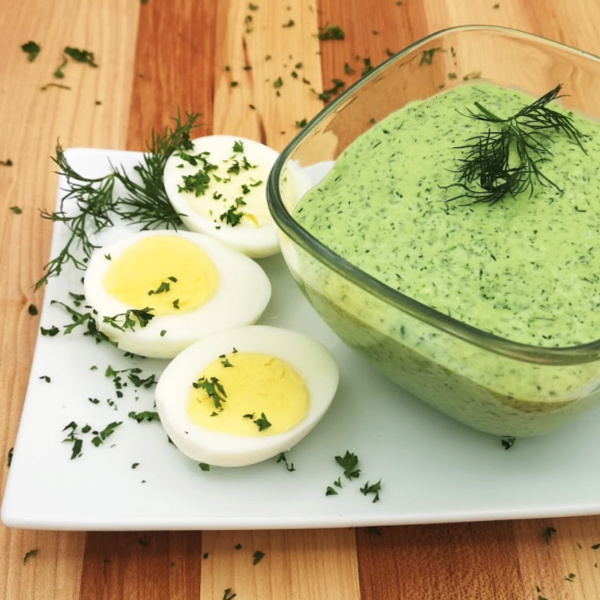
Maundy Thursday, called Gründonnerstag (green Thursday) in Germany, naturally needs something grün (green) to eat. Making a cold sauce that includes the wonderful fresh herbs that can be found in the markets is a natural. Frankfurter Grüne Soße is the result. Other choices are soups made with celery, parsley, and/or leeks.
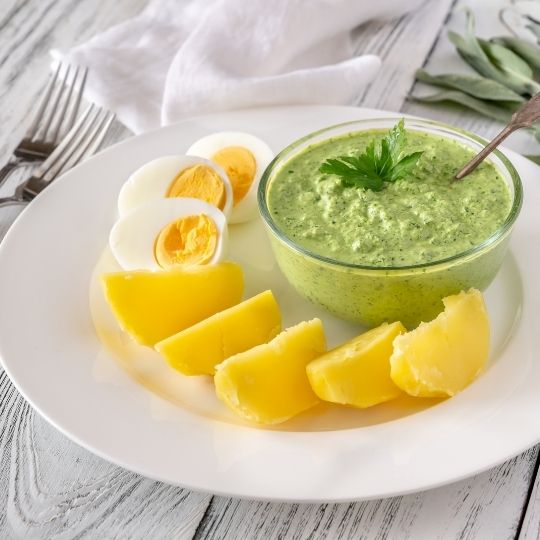
Serving Frankfurter Green Sauce (Frankfurter Grüne Soße) with boiled new potatoes and hard-boiled eggs is traditional for Maudy Thursday.
Friday before Easter
On Good Friday, Karfreitag, the beginning of the religious activities start, with church services remembering the crucifixion of Jesus. The main meal is usually some kind of fish dish. This is mainly a Catholic tradition, but many others also observe this, even in parts of Germany that aren't Catholic. This is a national holiday, meaning stores are closed, and it's a day to spend with family members.
Saturday before Easter
Saturday, Karsamstag, is often spent finishing the last of the preparations for Easter. Easter markets are open, and last-minute shopping, cooking, and baking takes place.
In the evenings, the Osterfeur, (Easter fire) is lit. This was a way to remember the Light of the World, Jesus Christ. Perhaps just a candle would be lit, but typically, it's now a bonfire with a party atmosphere, especially for the young people. Prayer services occur in some churches starting on Saturday evening and continuing until dawn on Easter Sunday.
Either late Saturday evening or early Sunday morning, the Easter treats, chocolate eggs and little gifts are hidden in the garden by the parents for their little ones.
Frohe Ostern!
It's Easter Sunday and with much joy, the resurrection of Jesus Christ is celebrated. This, after all, is the main event, the reason for Easter. It's off to church to celebrate with the church bells ringing, after having been silenced on Good Friday.
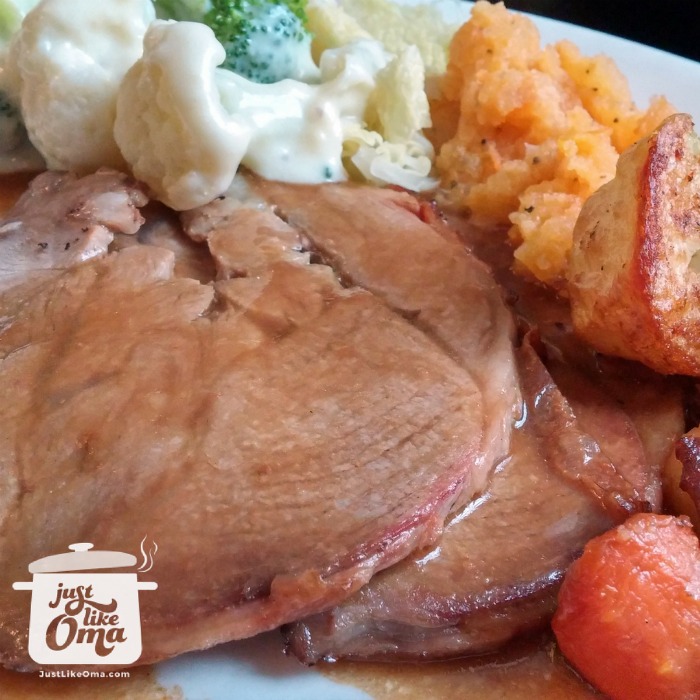
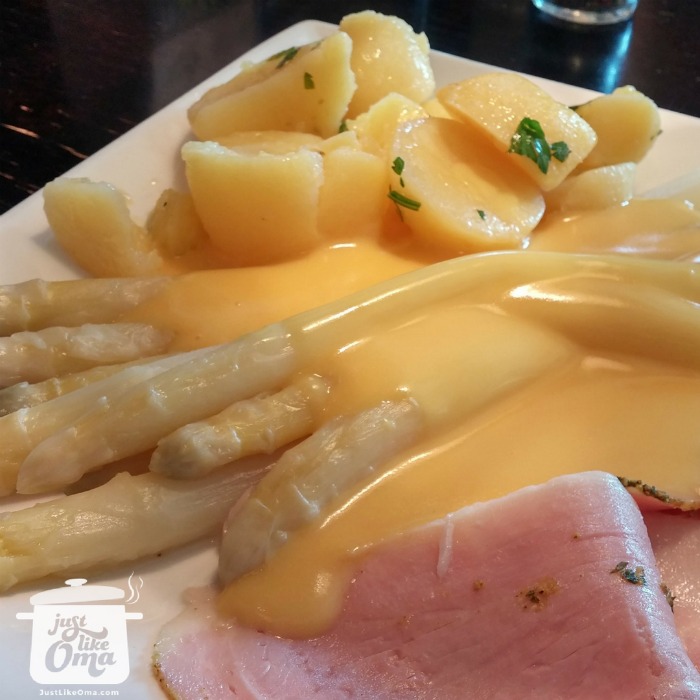
After church, once home again, it’s time to enjoy the Easter dinner that has been prepared. Traditionally, the meat is roasted lamb, served with asparagus, potatoes, and a salad.
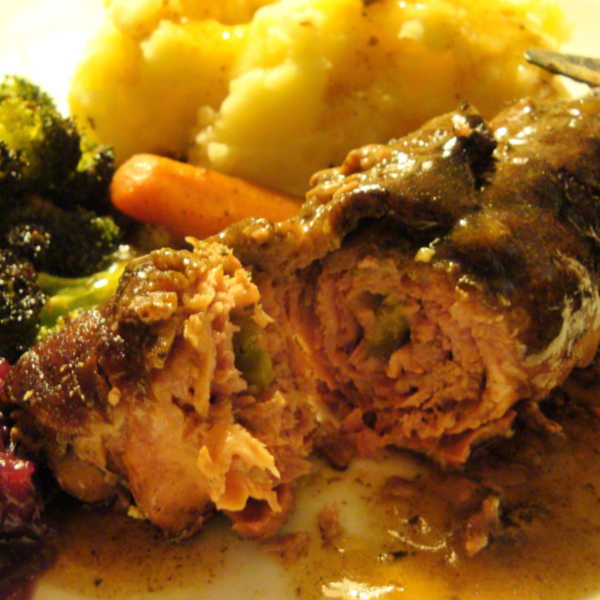
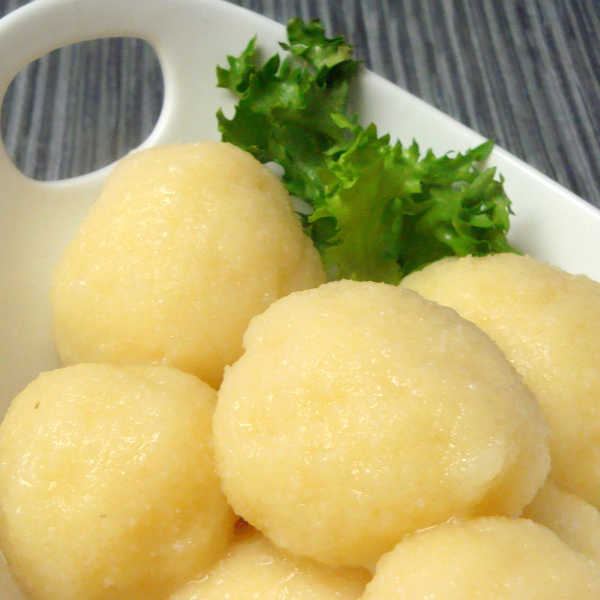
Of course, other meats can be served. As a treat, we usually had rouladen and potato dumplings, served along with spring peas and carrots.
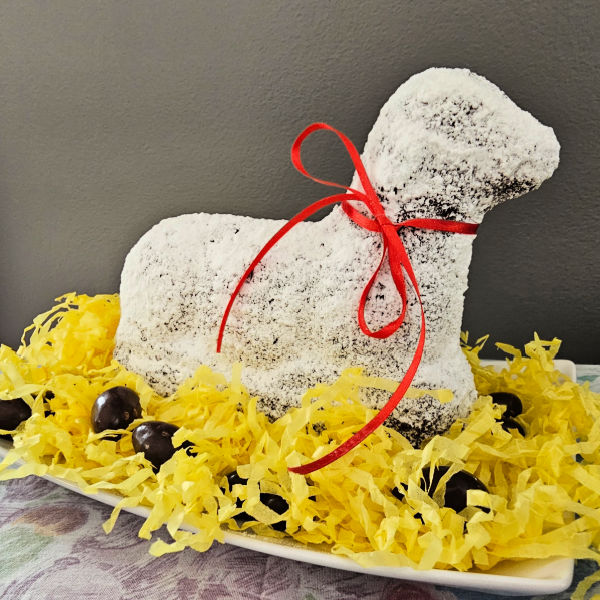
After dinner, it's time to enjoy this Osterlammkuchen, Easter lamb cake.
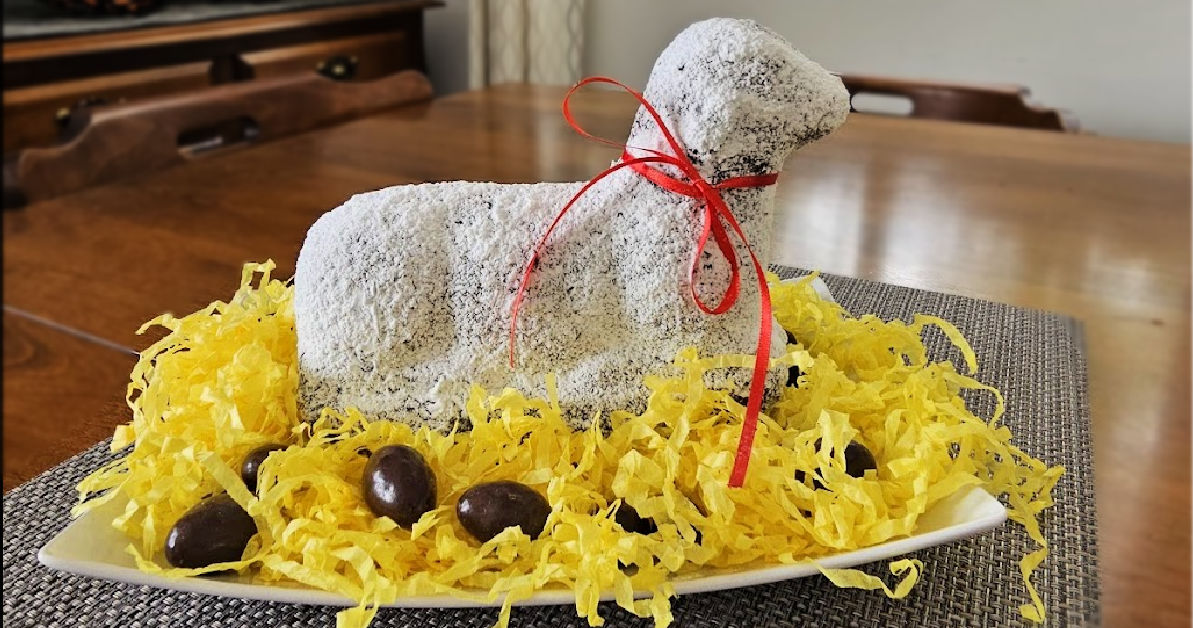
Above, the German Easter lamb cake is waiting to be enjoyed after dinner. This one is sitting on a bed of paper grass with dark chocolate almonds sprinkled around.
Monday after Easter
The last day of this celebration is Easter Monday, Ostermontag. As a public holiday, this is again a family day. Since it's the end of winter and the beginning of spring, it's the perfect time to relax outdoors. Hiking is a favorite, as are picnics.
Some Traditional German Easter Recipes
Popular Easter Desserts
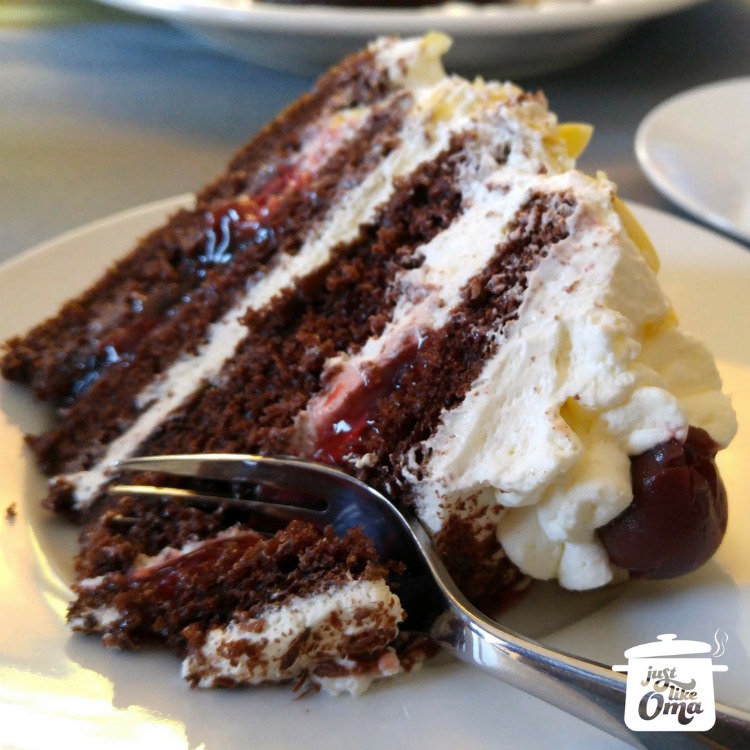
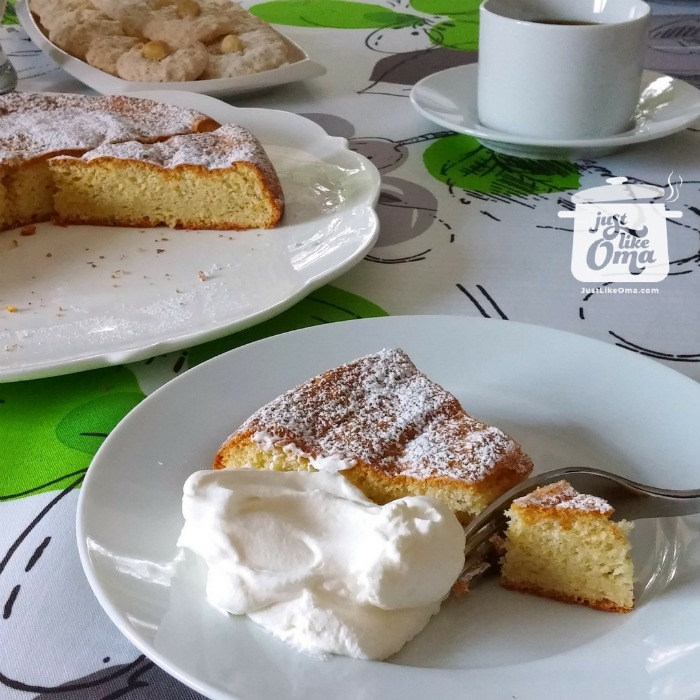
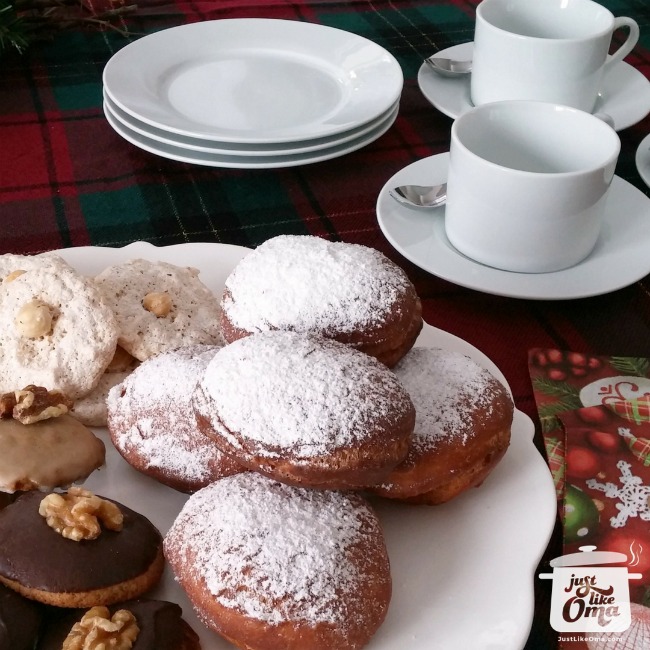
Easter desserts often feature eggs, flowers, or bunnies as decorations. A lamb-shaped cake is common, but it’s always appropriate to serve traditional German tortes. A Hazelnuss Torte or the Obsttorte is a treat, as is the famous Black Forest Cake.
* * * * *
Take a look here if you're looking for some unusual ways to celebrate Easter in Germany like a local.
* * * * *
You might like these
Creative Twist on German Easter Lamb Cake Recipe: Osterlammkuchen
Looking for a German Easter Lamb Cake recipe? Look no further! Try Oma's creative and delicious chocolate version to start your own tradition. It's vegan, too!
Dyeing Easter Eggs: Traditional Easy Natural Methods
Dyeing Easter eggs naturally using common foods such as coffee, cabbage, onions, and tea will transform the eggs into a rainbow of colors. Either hang or hide them
Frankfurt Green Sauce Recipe – Oma's Frankfurter Grüne Sosse.
Frankfurter Green Sauce (Grüne Soße) is a traditional Easter dish from Frankfurt, made with seven herbs. Can't find them all? This recipe offers easy substitutes!
Traditional German Easter Recipes: Celebrate with Oma's Holiday Dishes
Celebrate with Oma’s traditional German Easter recipes! From soups to desserts, enjoy festive holiday dishes full of flavor, comfort, and family joy.


Comments? Questions?
You can leave a comment about this recipe or ask a question...
Pop right over to my private Facebook group, the Kaffeeklatschers. You'll find thousands of German foodies, all eager to help and to talk about all things German, especially these yummy foods.
Meet with us around Oma's virtual table, pull up a chair, grab a coffee and a piece of Apfelstrudel, and enjoy the visit.
Recent Articles


-
German Slow Cooker Pot Roast Recipe – Mutti's Rinderschmorbraten
Jun 30, 25 04:05 PM
 This slow cooker pot roast recipe is easy to put together first thing in the morning - you can even get it ready the night before. Tastes like a traditional German roast with gravy! Wunderbar!
 -
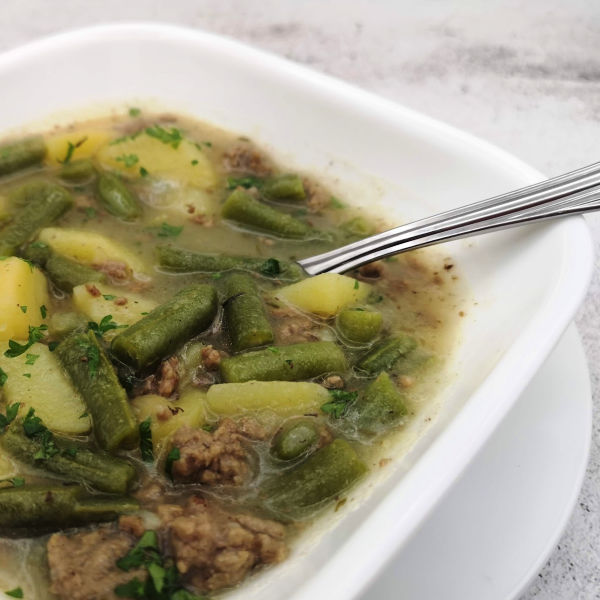
Oma's German Green Bean Soup Recipe (Grüne Bohnensuppe Rezept)
Jun 29, 25 11:03 AM
 This hearty German green bean soup (Grüne Bohnensuppe) is a family favorite … simple, satisfying, and full of flavor.
 -
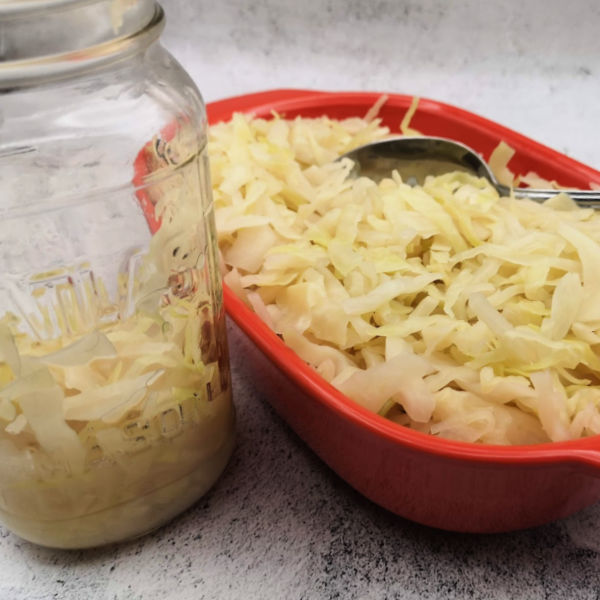
How to Make Homemade Sauerkraut – Oma's Easy German Recipe.
Jun 24, 25 08:50 PM
Homemade sauerkraut recipe. There's nothing quite like it. Amazingly delicious and wonderfully healthy. You'll be amazed how easy this is to make with Oma's tips.

PIN this ...
The GOOD NEWS
Jesus told her, “I am the resurrection and the life. Anyone who believes in me will live, even after dying. Everyone who lives in me and believes in me will never ever die. Do you believe this ...?"
John 11:25-26 (NLT)
Let's connect...
From Oma's heart
to your table
Complete your set today - order now!




Hi, I'm Oma Gerhild! As a food writer and cookbook author, I'm always looking to find ways to pass on my German heritage using local ingredients. Quick and easy. That's my goal. Wunderbar food. That's the result.
What others are saying about Oma's cookbooks
As a German-American that is a bit culinarily challenged, this book is a true blessing...
This classic cookbook (German Meals at Oma's) has not only a variety of different recipes, but also key notes to help even those with little experience in the kitchen learn to make excellent German cuisine.
Erika Neumayer Ehrat, Owner & designer of Rare Dirndl

Across media platforms, Just Like Oma is celebrated for making German cooking simple, fast, and fun for everyone!











Copyright © | Quick German Recipes (Just like Oma) | All Rights Reserved
Powered by: Make Your Knowledge Sell!
AFFILIATE DISCLOSURE: Quick German Recipes participates in various affiliate advertising to provide a means to earn advertising fees by linking to retail websites. This website is a participant in the Amazon Services LLC Associates Program, an affiliate advertising program designed to provide a means for sites to earn advertising fees by advertising and linking to amazon.com and affiliated sites. I will not promote products I do not own or would not buy myself. My goal is to provide you with product information and my own personal opinions or ideas. At times, I will showcase services, programs, and products. I aim to highlight ones that you might find interesting, and if you buy future items from those companies, I may get a small share of the revenue from the sale. We are independently owned and the opinions expressed here are our own.
PHOTOGRAPHY: Throughout my site, you'll find mostly photos that I've taken in my kitchen. I also feature some reader-contributed images and curated stock IMAGES BY Deposit Photos and others, offering further perspectives on recipes and all things German.
YOU SHOULD ALWAYS PERFORM DUE DILIGENCE BEFORE BUYING GOODS OR SERVICES ONLINE.
Quick-German-recipes.com does not sell any personal information
