Join 50,000+ subscribers for German recipes, stories, traditions, & more!
Join 50,000+ subscribers for German recipes, stories, traditions & more!
- Home
- German Desserts Recipes
- Amerikaner Cookies
Amerikaner Cookies (Oma's Soft Iced Cake Cookies)

by: Gerhild Fulson / Oma Gerhild shares German recipes rooted in family tradition.
Published: October 1, 2026
Amerikaner ... you've seen them in every German bakery, right? Big, soft cake cookies with the icing on the flat bottom instead of the top. And they're so easy to make at home!
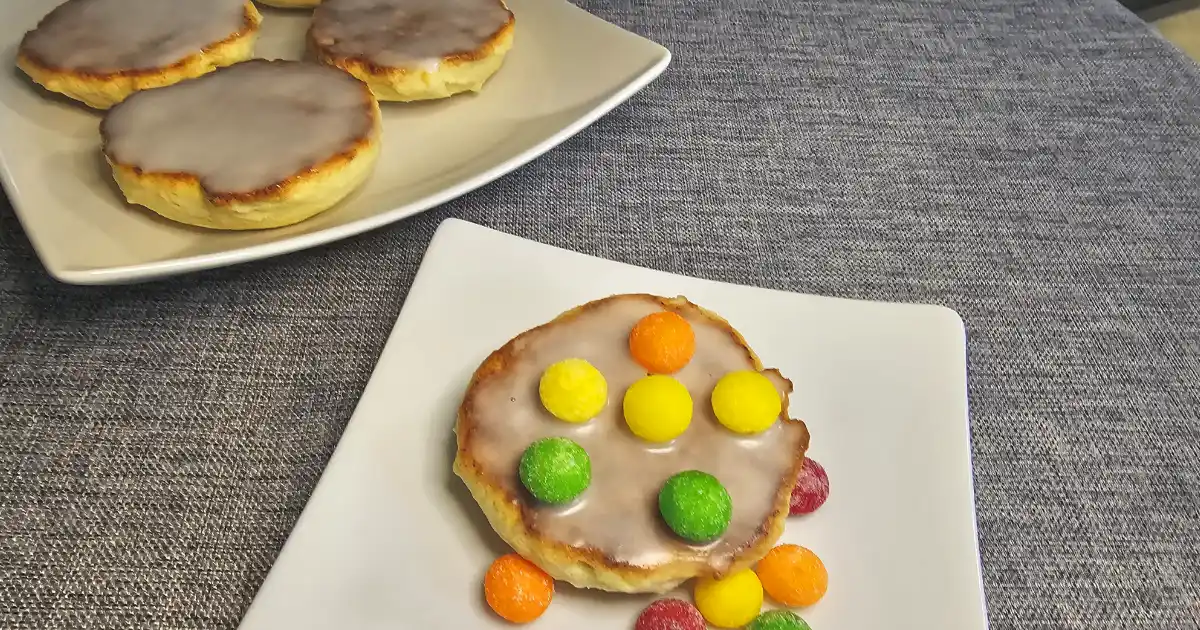
When my Mutti made them, I used to wonder why she iced the bottoms. Icing the tops would surely mean more icing. But she had her ways, and I was a child who loved icing.
This isn't Mutti's recipe, though. She didn't have it in her handwritten cookbook. Mine is one I tweaked from an old German cookbook to suit busy kitchens.
Most recipes have you mix a sugar glaze AND melt chocolate for the dark half. Not me. I make one bowl of icing and stir a bit of cocoa into part of it. There's no chocolate to melt and one less pot to wash.
Two spoons do the shaping, and there's no piping bag needed. Follow along and you'll have a tray of iced amerikaner in about an hour.
Oma's Recipe Rundown
- Taste: Soft vanilla cake with sweet icing on top. Lecker!
- Texture: Somewhere between a muffin top and a sponge cake.
- Time: About an hour with cooling included.
- Makes: About 12 big Amerikaner.
- Skill: Easy peasy. Two spoons and a bowl.
- What's different: Only one bowl for the icing and no piping.
What Are Amerikaner?
Amerikaner (ah-meh-ree-KAH-ner) are round German cake cookies made from a soft vanilla batter. Once they've cooled, you flip them over and ice the flat side, white or chocolate or both. The name means "Americans." You'll find them in every German bakery and at just about every Karneval party and kids' birthday.
Why Are They Called Amerikaner?
I wondered about the name too. Mutti called them amerikaner ... but she didn't know why. Nobody else knows for sure either, but everybody has a theory. Here are the three you'll hear most:
- Baking ammonia: Old recipes used Hirschhornsalz (baker's ammonia) to make them rise. Some say "Ammoniakaner" slowly turned into "Amerikaner."
- American soldiers: Others say the name came with the American soldiers stationed in Germany after the war.
- New York: And some connect them to New York's black and white cookies. They sure look alike.
I use baking powder, like most German home bakers today. You'll find it in any grocery store, and your kitchen won't smell of ammonia while they bake.
Amerikaner vs New York Black and White Cookies
If you've bought a black and white cookie in a New York deli, these will look familiar. The two are very close. Here's what's different:
- Icing: New York black and whites almost always come half and half. Amerikaner can be all white, all chocolate or half and half. Your choice!
- Size: Bakery versions of both can be as big as your hand. Homemade amerikaner are usually a bit smaller.
- Name: In a German bakery, ask for amerikaner. Ask for schwarz-weiss (black and white) and you might get crisp swirled butter cookies instead.
If you like one, you'll like the other.
Ingredient Notes
- Butter or margarine: Use whichever you have. Just make sure it's soft, so it beats up light and fluffy.
- Vanilla sugar: In Germany it comes in little 8 gram packets. Can't find it? Follow my recipe for homemade vanilla sugar.
- Cornstarch: Don't skip it! It keeps the crumb soft.
- Baking powder: Yes, 3 level teaspoons. It looks like a lot, but amerikaner needs a good lift to get those rounded tops.
- Hot water: It dissolves the powdered sugar faster, so your icing turns out smooth.
- Cocoa: Unsweetened cocoa, stirred straight into the icing.
From Oma's heart to your table
Complete your set today - order now!

How to Make Amerikaner
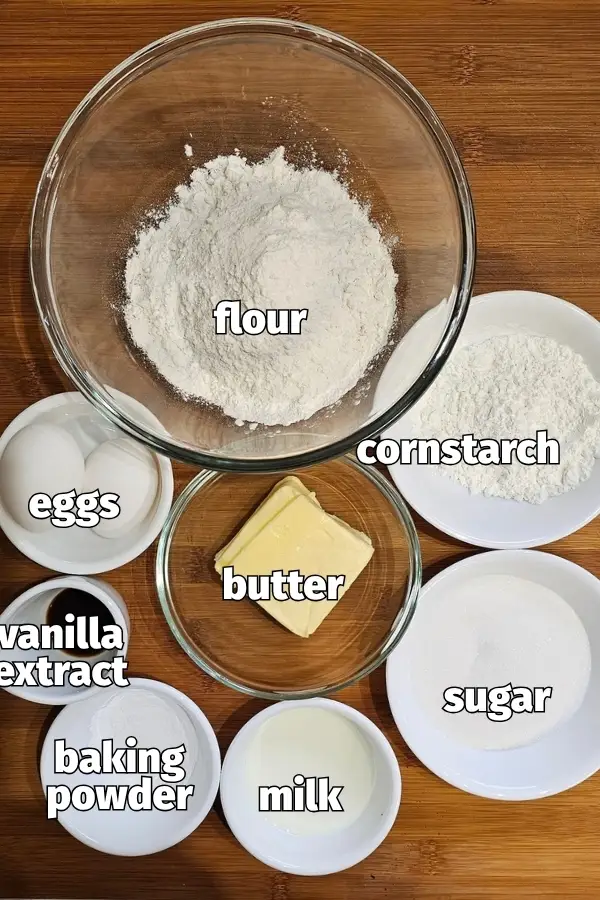
Like any good recipe prep, gather all your ingredients in advance.
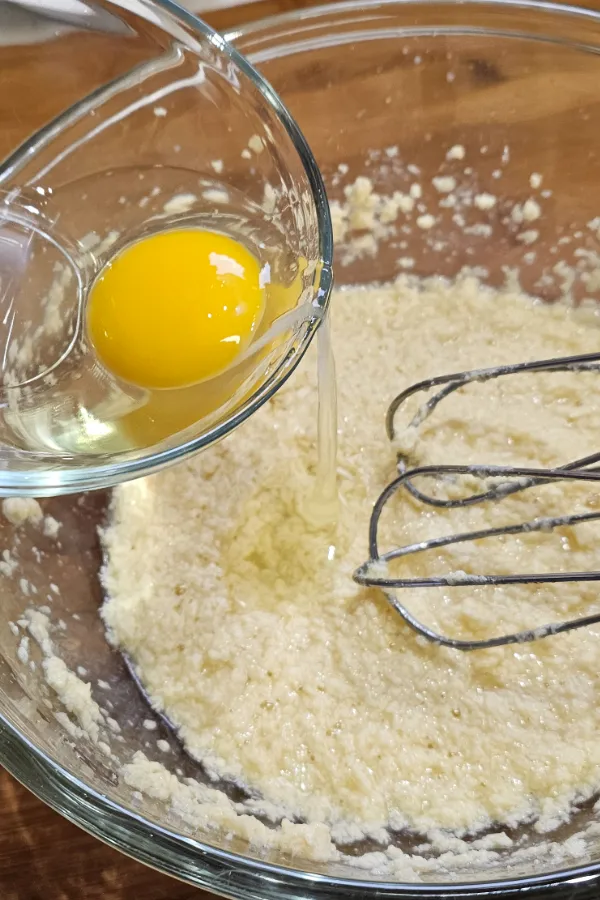
Beat the soft butter until light and fluffy. Then beat in the sugar, vanilla sugar, eggs and salt.
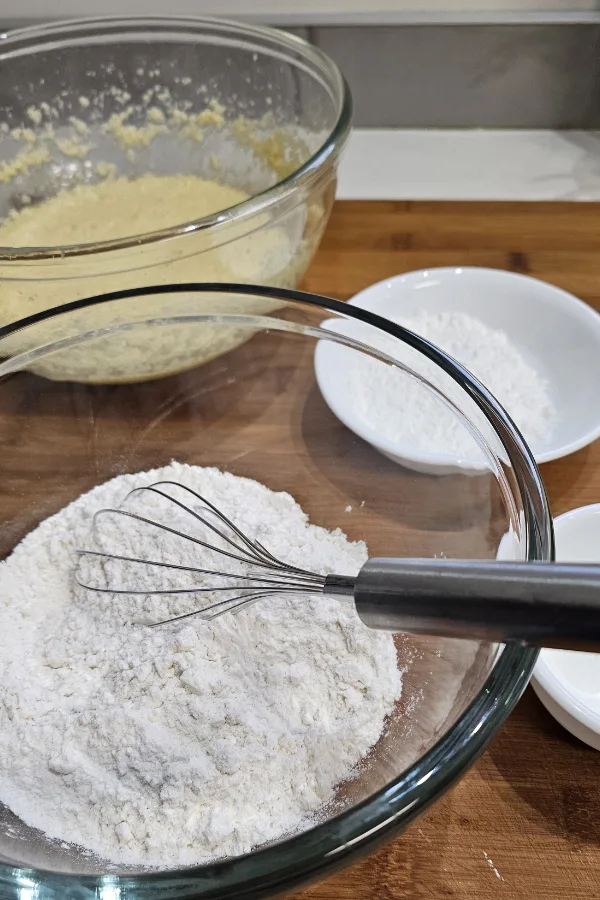
Whisk the flour, cornstarch and baking powder together. Sift the dry ingredients over the batter, add the milk and vanilla extract, and stir until combined.
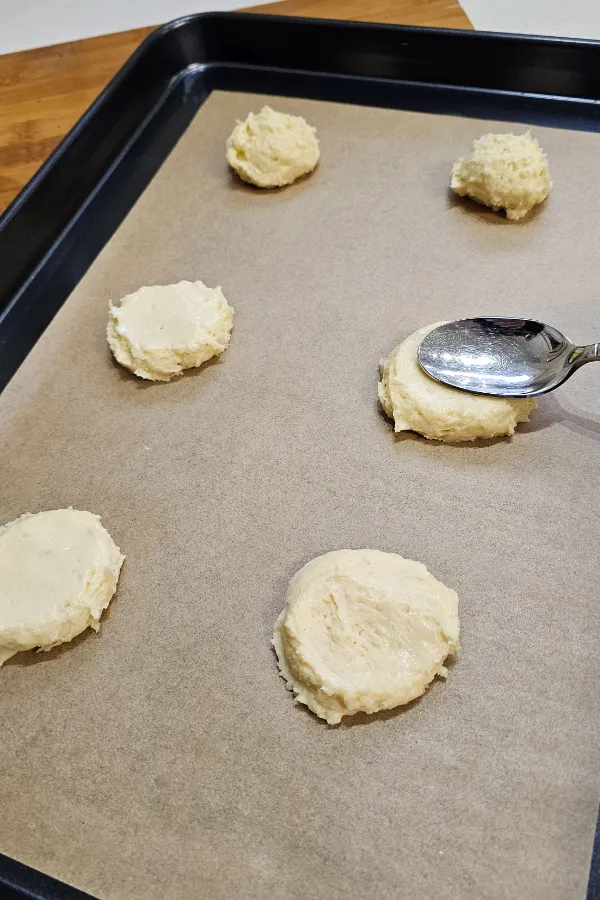
Drop big spoonfuls onto the baking sheets and gently flatten with the back of a wet spoon. Leave lots of room because they spread as they bake.
Bake until the edges are light golden and a toothpick comes out clean. Let them cool completely on a rack.
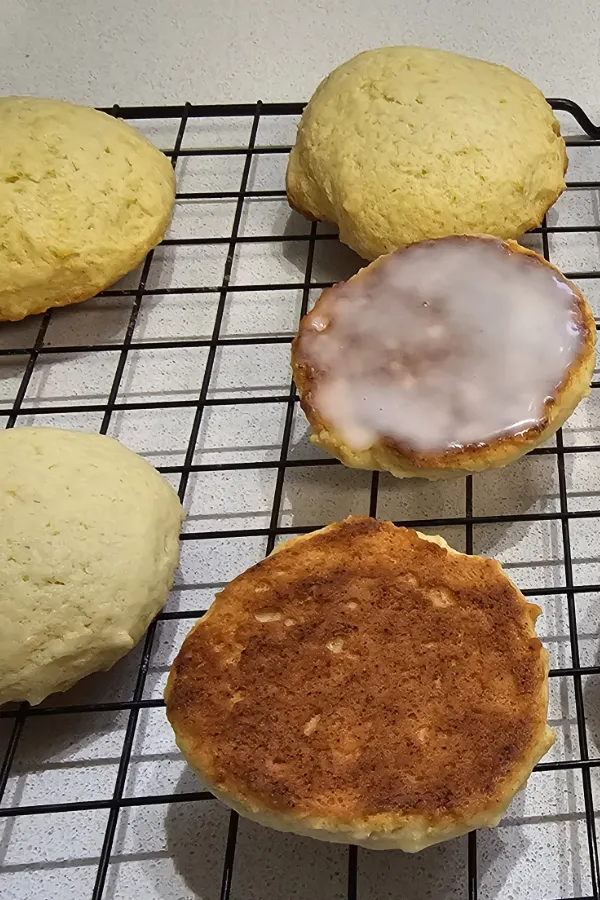
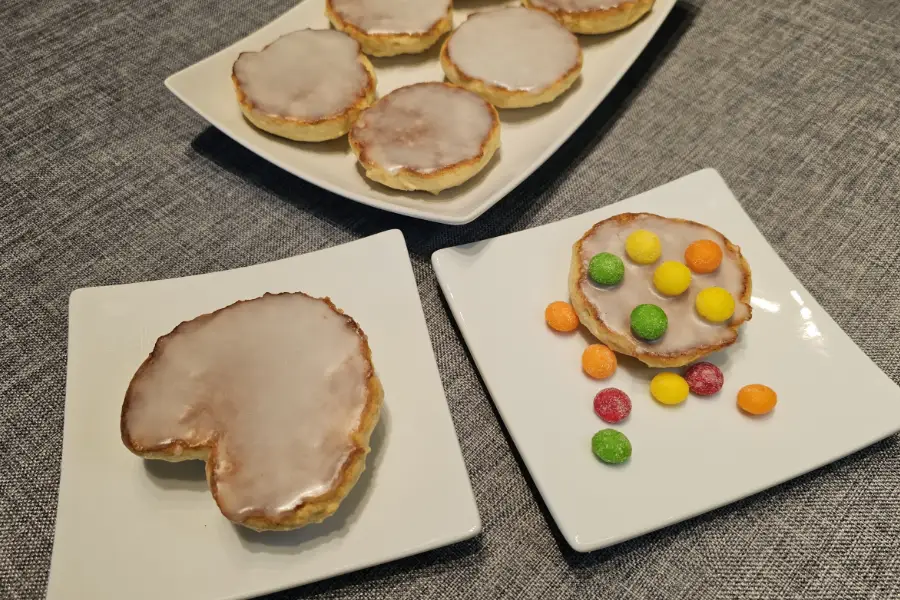
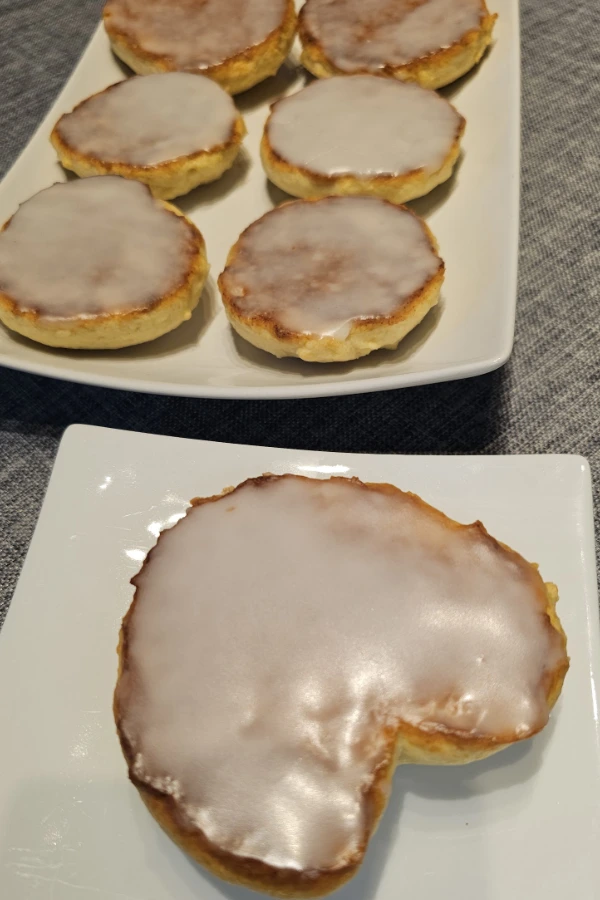
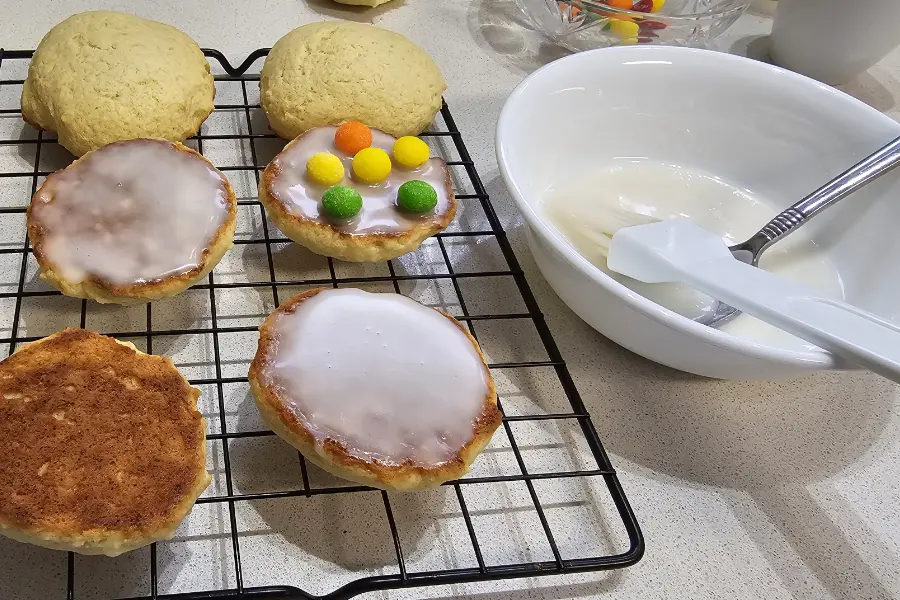
Flip them over and spread the icing on the flat side. I even tried making a heart-shaped one! Turned out pretty good.
One Bowl of Icing, Two Colors
Most amerikaner recipes make two toppings. First a sugar glaze, then melted chocolate for the dark half. That means two bowls, a pot or the microwave, and more dishes to wash.
Here's my way. Stir the powdered sugar with a little hot water until it's smooth and spreadable. Spoon some of it into a second bowl and stir in the cocoa. Now you have white and chocolate icing, and nothing to melt.
For the half-and-half look, ice the white side first and give it a few minutes to set. Then spread on the chocolate. The set white icing gives you a clean edge to work against. If the chocolate icing thickens once the cocoa goes in, add a few drops of hot water.
Tips for Soft, Round Amerikaner
- Round tops: Dip a spoon in water and smooth each mound before baking. The batter won't stick to a wet spoon, and smooth mounds bake into rounder cookies.
- Room to spread: Use two baking sheets if needed, or bake in two batches. Crowded amerikaner run into each other.
- Don't overbake: Take them out when the edges are light golden and a toothpick comes out clean. A few minutes too long and they dry out.
- Cool completely: Icing on warm cookies melts and runs down the sides.
- Ice the flat side: The bottom is smooth, so the icing spreads in a nice even layer.
Storing and Freezing
Amerikaner are best the day you bake them. Leftovers keep in an airtight container at room temperature for up to 2 days. Once the icing has set, put a sheet of parchment between the layers so they don't stick together.
To bake ahead, freeze them without icing. Lay them in a single layer until firm, then move them to a freezer bag for up to 3 months. Thaw at room temperature and ice them fresh.
More German Cookies from Oma's Kitchen
In Germany (and my home in Canada), amerikaner go with afternoon coffee ... or a glass of milk after school. If you liked these, give some of my other cookies a try:
- Oma's German Cookie Recipes
- Spritzgebäck (German Spritz Cookies)
- Zuckerkekse (Easy Sugar Cookies)
- Vanillekipferl (Vanilla Crescent Cookies)
- Berliner (Karneval jelly donuts)
- Oma's German Desserts

Amerikaner Cookies (Iced Cake Cookies)
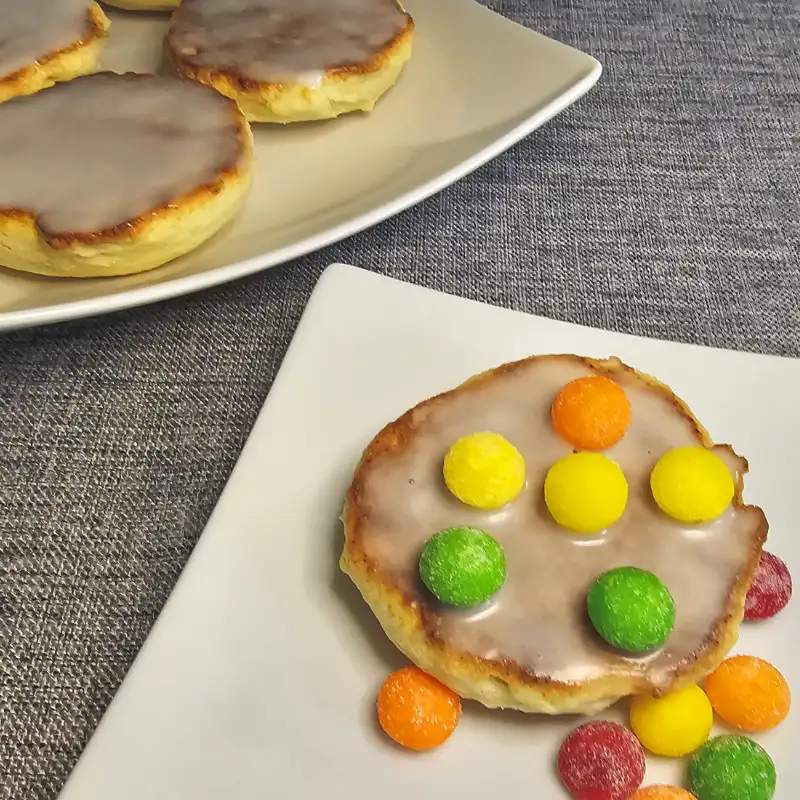
Make classic German amerikaner with a soft, cake-like vanilla base and smooth white icing, or finish them with chocolate icing for a tasty variation.
Prep Time:
20 minutes
Cook Time:
20 minutes (plus 20 minutes cooling)
Total Time:
60 minutes
Servings:
12 cookies
Ingredients:
- 7 tablespoons (100 grams) butter or margarine
- ½ cup (100 grams) granulated sugar
- 2 teaspoons (8 grams) vanilla sugar
- 2 large eggs
- 1 pinch salt
- ¼ cup (30 grams) cornstarch
- 2 cups (250 grams) all-purpose flour
- 3 level teaspoons (12 grams) baking powder
- 3 tablespoons (45 milliliters) milk
- 1 teaspoon (4 grams) vanilla extract
- Butter or other fat for greasing the baking sheet
- ¾ cup (100 grams) powdered sugar
- 1½ tablespoons (22 milliliters) of hot water
- 1 teaspoon (2 grams) unsweetened cocoa powder, optional
Instructions:
- Preheat the oven to 375°F (190°C) and lightly grease two baking sheets and/or line with baking parchment.
- Beat the butter or margarine until light and fluffy. Gradually beat in the sugar, vanilla sugar, eggs, and salt.
- Mix the cornstarch with the flour and baking powder. Sift the dry ingredients over the batter, add the milk and vanilla extract, and stir until combined. The batter should be firm enough to hold its shape. Add a little more flour if necessary.
- Drop large spoonfuls of batter about 2 inches (5 centimeters) in diameter onto the prepared baking sheets, leaving space between them. Gently flatten with the back of a wet spoon.
- Bake for 15 to 20 minutes.
- Transfer the cookies to a wire rack and let them cool completely.
- Stir the powdered sugar with hot water to make a smooth, spreadable icing.
- Spread the icing over the flat undersides of the cooled cookies.
- For a chocolate variation, stir the cocoa powder into some or all of the icing before spreading it over the cookies.
Notes/Hints:
- Decorate with sprinkles or candies before the icing dries.
- Be a bit creative and turn the circles into hearts by carefully shaping the dough circles.
* * * * *
Unless otherwise noted recipe, images and content © Just like Oma | www.quick-german-recipes.com
Why are they called amerikaner?
Why are they called amerikaner?
Nobody knows for sure. The most common stories involve Hirschhornsalz (baker's ammonia) in old recipes, American soldiers in postwar Germany, or New York's black and white cookies.
Are amerikaner the same as black and white cookies?
Are amerikaner the same as black and white cookies?
They're very close. Both are soft cake cookies with white and chocolate icing. New York black and whites almost always come half and half. Amerikaner are often all white or all chocolate.
Which side of amerikaner do you ice?
Which side of amerikaner do you ice?
The flat bottom. Let them cool completely, flip them over and spread the icing on the smooth side.
Can I make the chocolate icing without melting chocolate?
Can I make the chocolate icing without melting chocolate?
Yes, that's how I do it. Make one bowl of powdered sugar icing and stir unsweetened cocoa into part of it. If it thickens, add a few drops of hot water.
How do I get my amerikaner round?
How do I get my amerikaner round?
Drop the batter in neat mounds with plenty of room between them. Then smooth each one with a wet spoon before baking.
Why are my amerikaner dry?
Why are my amerikaner dry?
Most likely they baked too long. Take them out when the edges are light golden and a toothpick comes out clean.
Can you freeze amerikaner?
Can you freeze amerikaner?
Yes. Freeze them without icing for up to 3 months. Thaw at room temperature and ice them fresh.
Comments? Questions?
You can leave a comment about this recipe or ask a question...
Pop right over to my private Facebook group, the Kaffeeklatschers. You'll find thousands of German foodies, all eager to help and to talk about all things German, especially these yummy foods.
Meet with us around Oma's virtual table, pull up a chair, grab a coffee and a piece of Apfelstrudel, and enjoy the visit.
Recent Articles


-
German Christmas
Oct 22, 26 09:23 AM
Yes, we have real Christmas trees and real candles, not false ones. Every room has a door, so the parents can put up the Christmas tree before the evening -
Sauerbraten
Oct 15, 26 07:54 AM
My grandmother always made Sauerbraten but did not leave a recipe. I tried for many years to find one that tasted like hers. Loads of expriements until -
Cucumber and Dill Pickle Salad (Gurkensalat mit Gewürzgurken)
Sep 27, 26 01:04 AM
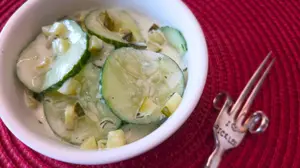
 This cucumber salad with pickles is creamy, crunchy, and full of fresh flavor. It makes an easy side dish that pairs perfectly with your favorite German-inspired meals.

Words to the Wise
"The godly are showered with blessings; the words of the wicked conceal violent intentions."
Proverbs 10:6 (NLT)
Let's connect...

From Oma's heart
to your table
Complete your set today - order now!







Hi, I'm Oma Gerhild! As a food writer and cookbook author, I'm always looking to find ways to pass on my German heritage using local ingredients. Quick and easy. That's my goal. Wunderbar food. That's the result.
What others are saying about Oma's cookbooks
As a German-American that is a bit culinarily challenged, this book is a true blessing...
This classic cookbook (German Meals at Oma's) has not only a variety of different recipes, but also key notes to help even those with little experience in the kitchen learn to make excellent German cuisine.
Erika Neumayer Ehrat, Owner & designer of Rare Dirndl

Discover our Just Like Oma family of websites:



Across media platforms, the Just Like Oma family of websites are celebrated for making German cooking, travel, and heritage fun & simple to understand, and easily accessible for everyone!























Copyright © | Quick German Recipes (Just like Oma) | A Fulson Media Group Inc. Brand | All Rights Reserved
Powered by: Make Your Knowledge Sell!
AFFILIATE DISCLOSURE: Quick German Recipes is a brand of Fulson Media Group Inc., which participates in various affiliate advertising to provide a means to earn advertising fees by linking to retail websites. Additionally this website is a participant in the Amazon Services LLC Associates Program, an affiliate advertising program designed to provide a means for sites to earn advertising fees by advertising and linking to amazon.com and affiliated sites. We do not promote products we do not own or would not buy ourselves. Our goal is to provide you with product information and our own personal opinions or ideas. At times, we will showcase services, programs, and products. We aim to highlight ones that you might find interesting, and if you buy future items from those companies, we may get a small share of the revenue from the sale. We are independently owned and the opinions expressed here are our own.
PHOTOGRAPHY: Throughout this site, you'll find mostly photos that we've taken in our kitchen(s). We also feature some reader-contributed images and curated stock IMAGES BY Deposit Photos and others, offering further perspectives on recipes and all things German.
YOU SHOULD ALWAYS PERFORM DUE DILIGENCE BEFORE BUYING GOODS OR SERVICES ONLINE.
