Join 50,000+ subscribers for German recipes, stories, traditions, & more!
Join 50,000+ subscribers for German recipes, stories, traditions & more!
- Home
- German Desserts Recipes
- German Donut Recipe
Oma's German Donuts (Berliner / Krapfen)

by: Gerhild Fulson / Oma Gerhild shares German recipes rooted in family tradition.
Updated: May 20, 2026
Looking for real German donuts? These Berliner, aka krapfen, are Oma-style classics, soft, lightly sweet, and perfect for filling and sharing.
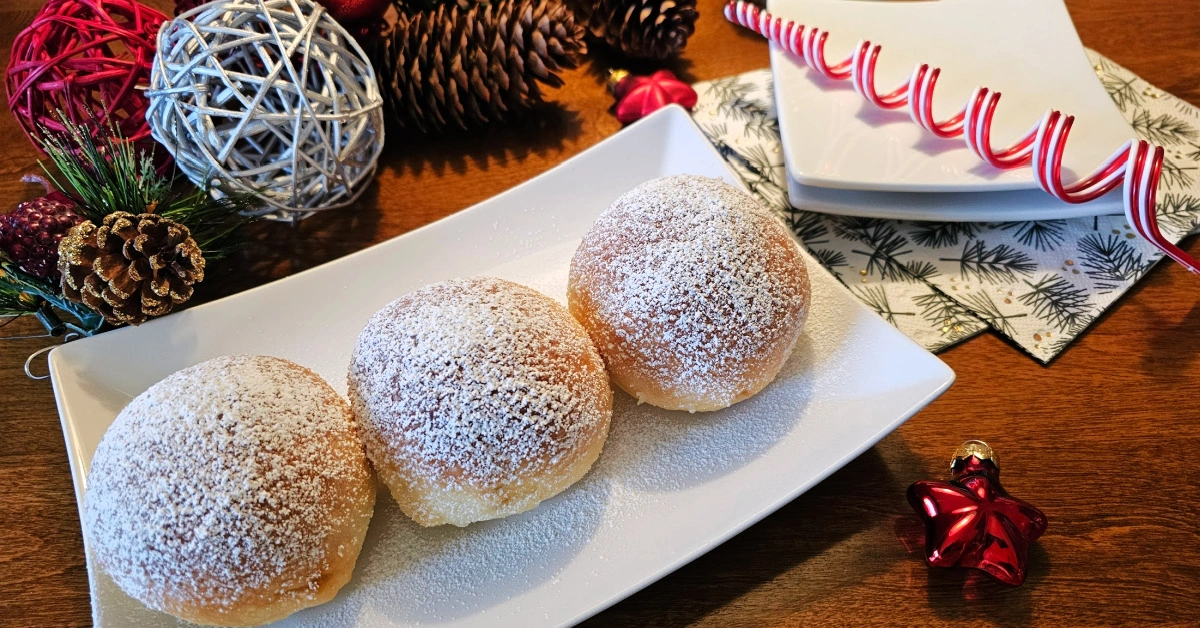
This German donut recipe shows you how to make Berliner, those soft, fluffy, jam-filled treats also called Berliner pfannkuchen, loved across Germany for Karneval, Christmas markets, and New Year’s Eve. Finished with sugar or icing, they are easier to make at home than you might think.
Oma's Recipe Rundown
- Ease of Making: Traditional yeast dough with simple, familiar steps.
- Taste: Light, fluffy, and gently sweet just like a German bakery donut.
- Time: About 2 hours including rising.
- Best Served With: Jam filling, powdered sugar, and a cup of coffee.
Top Tips for Best Results
- Soft Dough: Keep the dough soft, not sticky, for that pillowy texture.
- Patient Rise: A full rise is key to light Berliner, so do not rush it.
- Steady Heat: Fry at medium heat so they cook through without overbrowning.
- Fill Gently: Fill after frying once slightly cooled for the cleanest result.
A Lighter Way to Make Berliner
In the recipe card below, I share how to make baked Berliner for a lighter, easier version with the same soft texture. I also include frying instructions if you prefer. First, though, let me share a bit of the history behind these beloved German donuts.
On this page:
The History of Berliner Donuts
The story of the Berliner goes back a long way in German baking tradition. One popular tale says they were created in the 18th century by a Berlin baker who wanted to honor his hometown. Once an artilleryman, he shaped sweet dough like little cannonballs, and before long, these filled treats became closely tied to the city and its celebrations.
Over the years, Berliner picked up different names depending on where you are in Germany:
- Berliner: In most parts of Germany, except in Berlin itself
- Pfannkuchen: in Berlin, which means “pancakes” in other regions of Germany
- Krapfen: in southern Germany
- Faschingskrapfen: in Bavaria during Karneval (fasching) season
- Kräppel: in Hessen and the Frankfurt area
Traditionally filled with fruit jam, Berliners now come with custard, chocolate, or Nutella too. Outside Germany, they are often called jelly donuts, but at home, they mean much more. They are a sign that something joyful is being celebrated.
Berliners are closely tied to Karneval, a lively season that blends old traditions, Christian customs, and cheerful chaos before Lent. Karneval officially begins on November 11 at 11:11 a.m. and builds toward its height in late winter.
They also belong on New Year’s Eve tables. Soft, sweet, and dusted with sugar, they fit the festive mood perfectly. And yes, there is that old tradition of hiding one Berliner filled with mustard, just to keep everyone guessing.
From Oma's heart to your table
Complete your set today - order now!

When a Donut Made History
In 1963, U.S. President John F. Kennedy stood in West Berlin and said the now-famous words Ich bin ein Berliner to show solidarity during the Cold War and the division caused by the Berlin Wall.
Thanks to a little language overlap, the phrase later sparked smiles. While Kennedy meant “I am a Berliner” as a citizen of Berlin, the same words also name Germany’s much-loved jam-filled donut.
Grammatically, he was absolutely correct. Still, the double meaning delighted linguists, bakers, and anyone who loves a good story, securing the Berliner its charming place in both history and the bakery case.
What's the Difference Between Berliner and Krapfen?
The difference between a Berliner and a krapfen is mostly about regional names. They are essentially the same jam-filled donut, with Berliner used in much of Germany and krapfen common in the south.
The dough and method are nearly identical, though small regional touches can change the richness or sweetness slightly.
- Berliners are often filled with raspberry or apricot jam, while krapfen may use vanilla custard, plum jam, or chocolate.
- Berliners are usually dusted with powdered sugar, while krapfen are often coated in granulated sugar.
In the end, they taste very much the same. It is more about tradition than flavor, so with this recipe, simply change the filling and sugar coating to enjoy them as krapfen.
This is How Easy it is to Make Berliners
(Find the printable recipe with measurements in the recipe card below.)
Mix the yeast with lukewarm milk and a little sugar, and let it wake up until bubbly. In the meantime, combine the flour, sugar, salt, and lemon zest in your mixer, then add the yeast mixture and remaining ingredients.
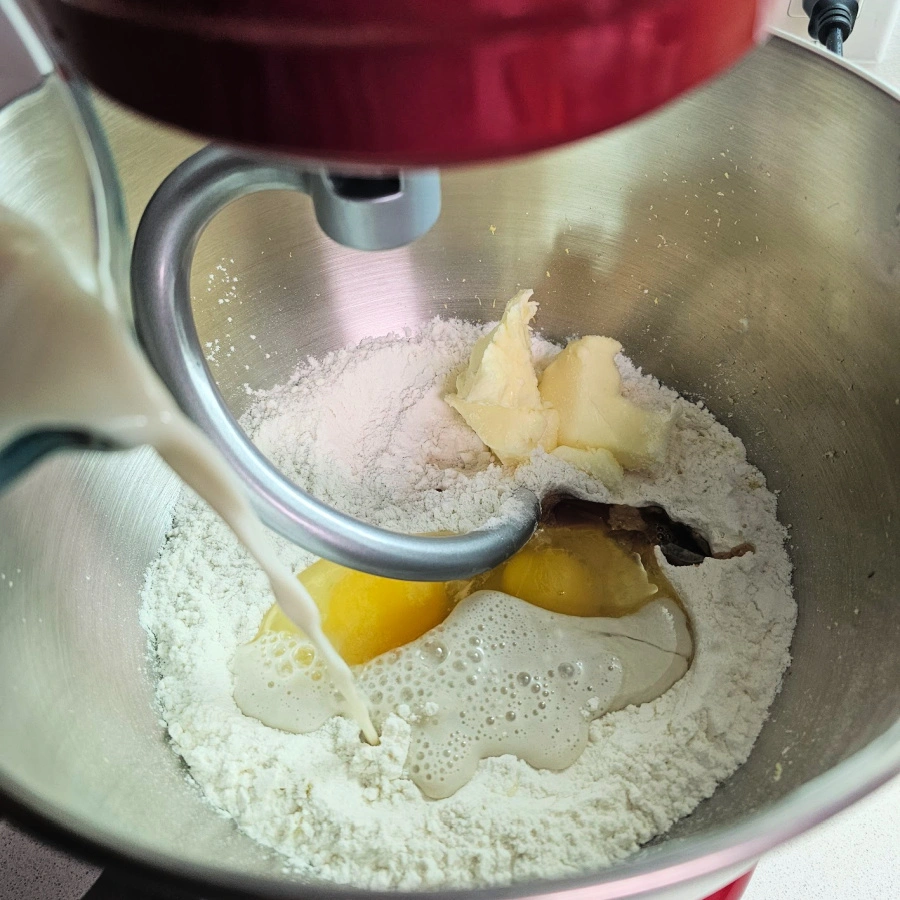 Warm milk, yeast, eggs, butter, and flour coming together to form the soft dough that makes Berliner so fluffy.
Knead with a dough hook for about 10 minutes until smooth and soft, or knead by hand if you prefer the old-fashioned way.
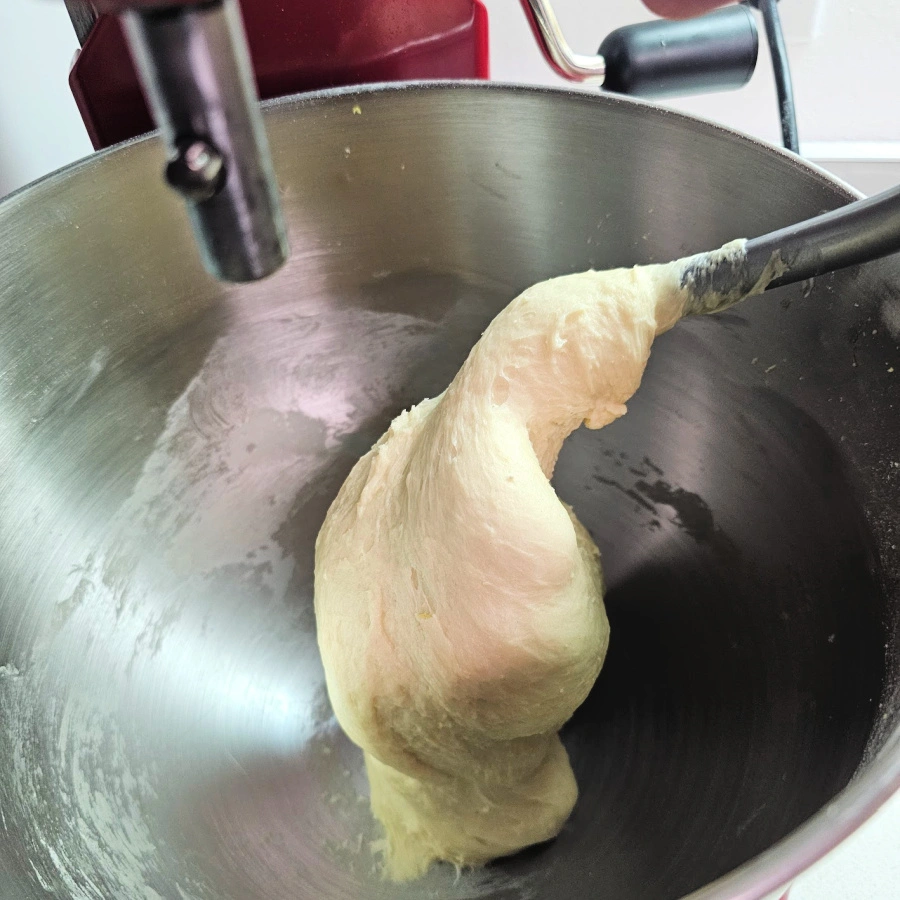 The dough should feel soft, smooth, and slightly elastic after proper kneading, whether done by mixer or by hand.
Put the dough into an oiled bowl and cover with plastic wrap or a clean kitchen towel.
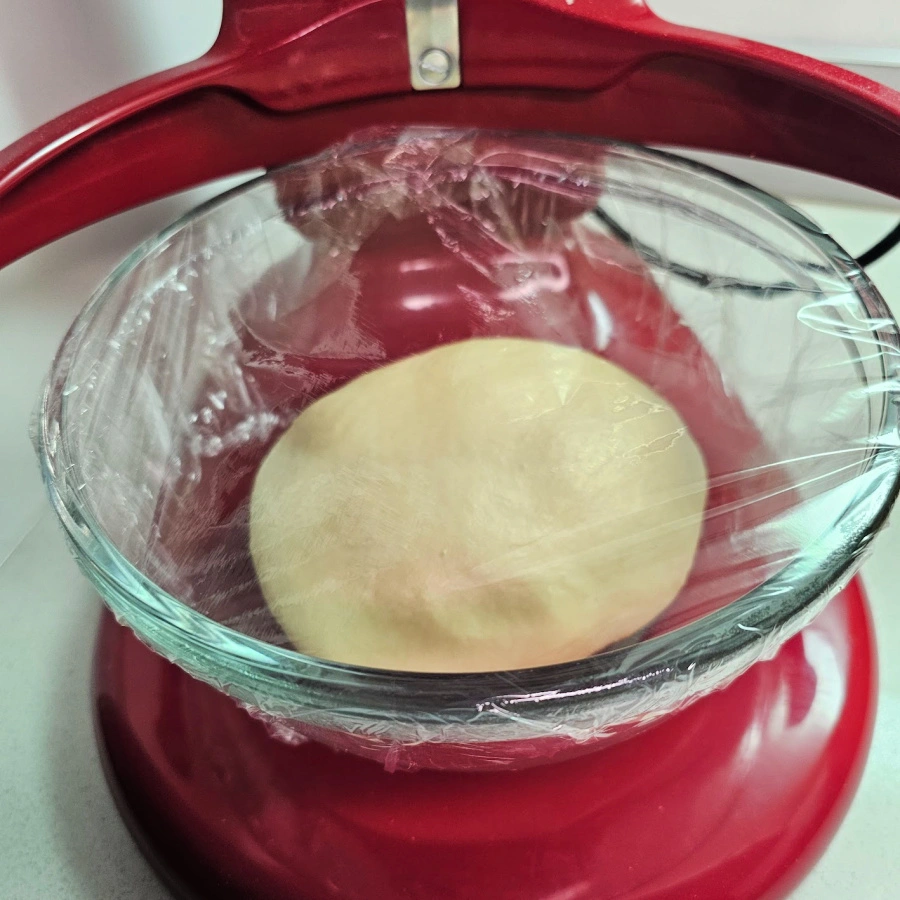 After kneading, the dough is placed in an oiled bowl, covered, and left to rise until soft and puffy.
Place in a warm, draft-free location and let it sit until the dough has doubled in size.
 After resting in a warm, draft free spot, the dough should double in size and feel light and airy.
Divide the dough either into 12 equal pieces (best done by weighing) for smaller Berliner or into 10 equal parts for larger ones.
Once they are risen, bake until nicely golden brown.
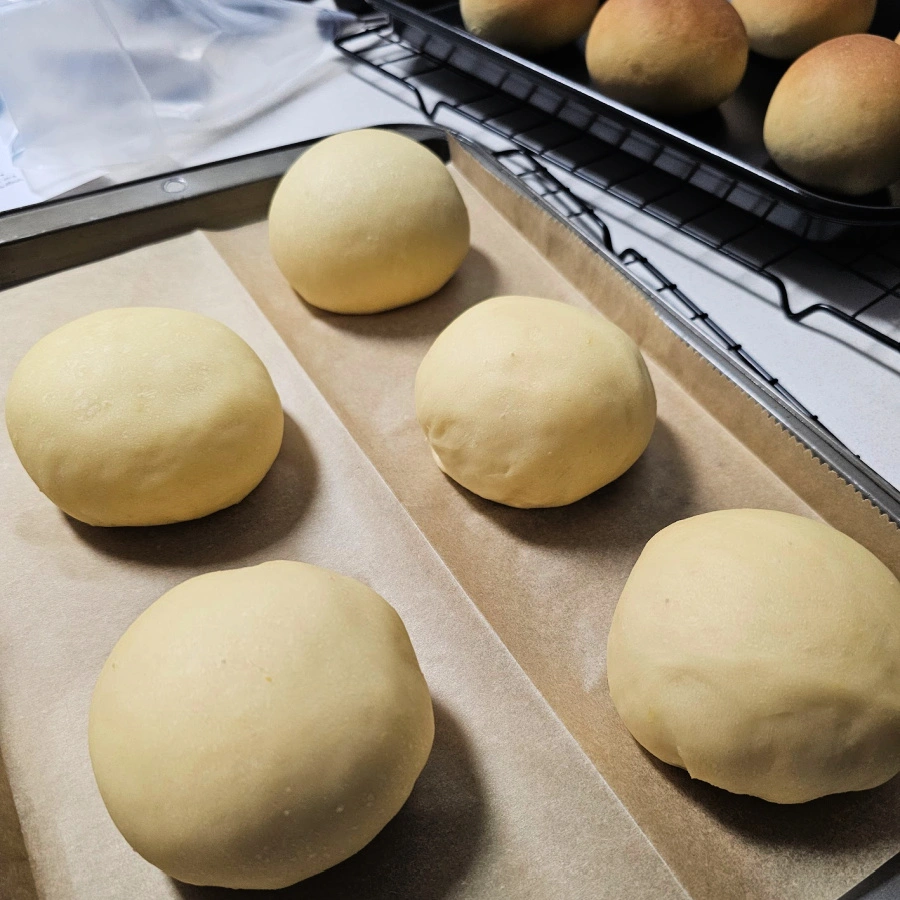 After dividing and shaping, the dough balls rest and rise again before baking until lightly golden.
You'll see that I took half the dough, and formed 5 from one half, the bigger ones on the left, and 6 donuts from the other half, the smaller ones on the right side. You choose how big you want them!
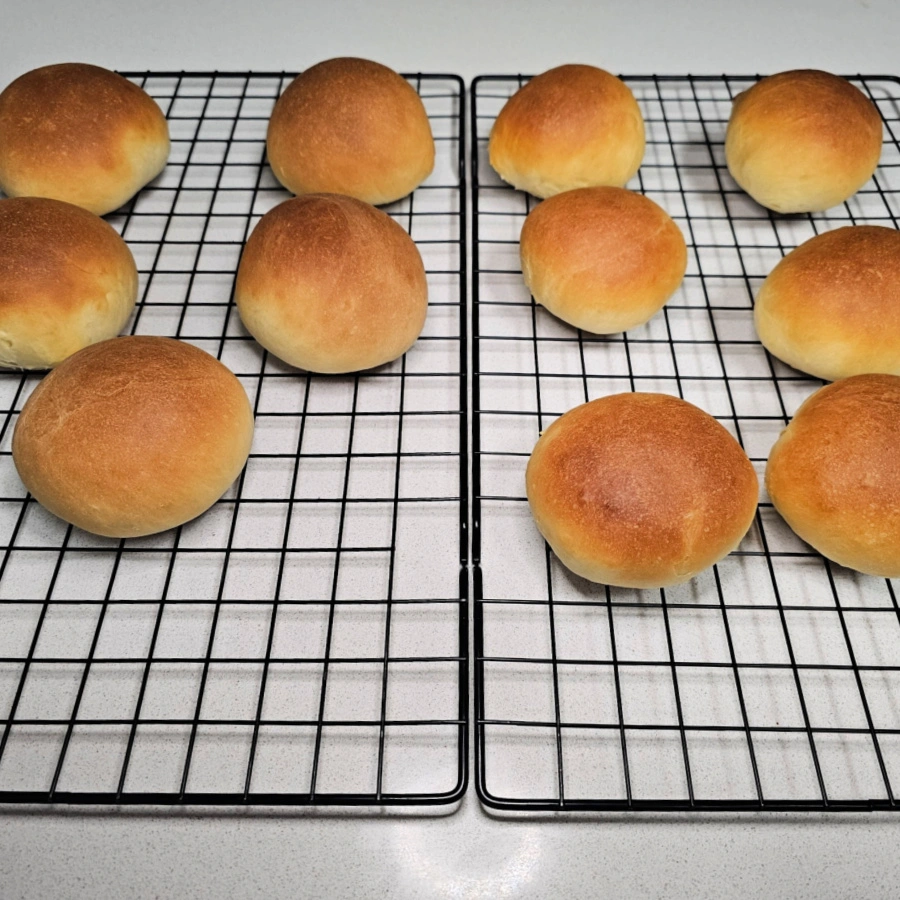 The same dough can be shaped larger or smaller. Here you see five larger Berliner on one rack and six smaller ones on the other, baked until lightly golden.
Using a filling tip on your piping bag, inject jam into the slightly cooled donuts.
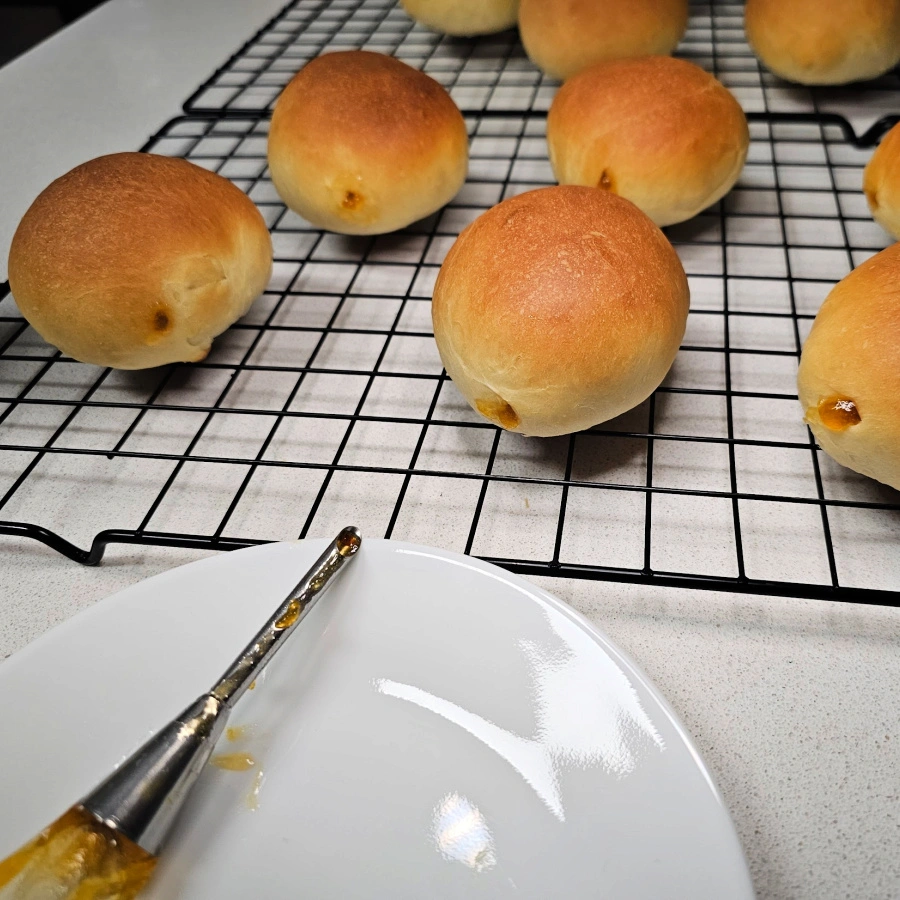 Once slightly cooled, the Berliner are filled with jam using a piping bag, creating that classic soft center.
Then, melt butter and brush it over the still-warm donuts. If you are making krapfen, as shown below, then either roll them into the sugar or spoon the sugar over the tops and sides.
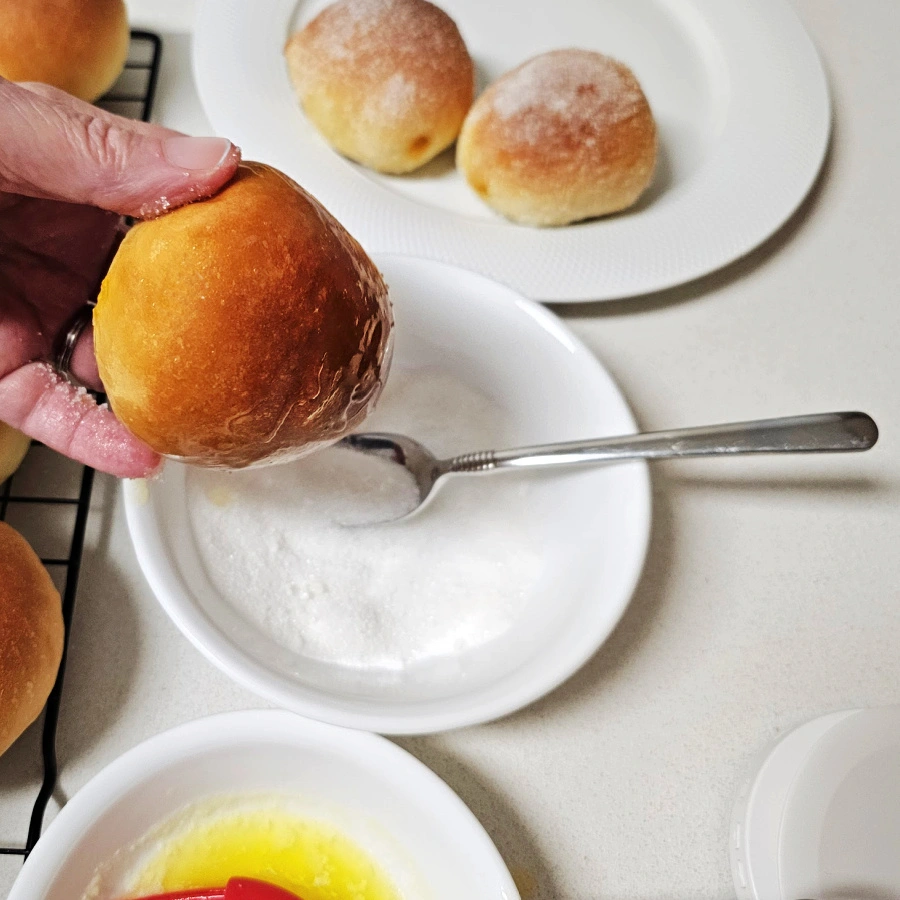 Once filled, the warm Berliner are rolled in sugar for that classic finish before serving.
I couldn't resist stopping to sample the smallest krapfen ... SO good! It was still warm ... and so fluffy soft ... and so MEGA LECKER!
The granulated sugar gives a bit of a crunch to the crust, which is really nice with these baked donuts, since their crust isn't crispy fried.
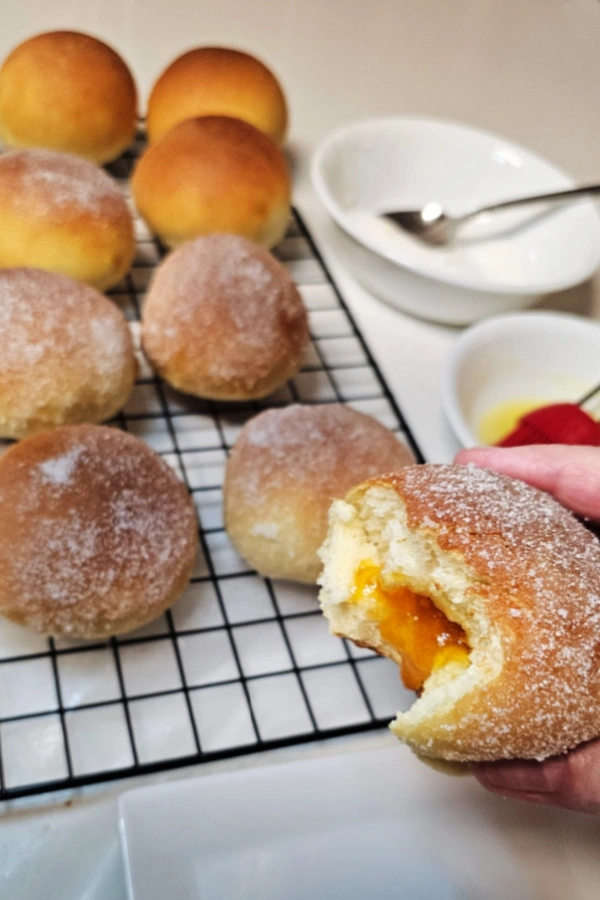 Still warm and fluffy, this baked Krapfen shows off its soft crumb, fruity jam center, and light sugar coating that adds just a little crunch.
OR, dust them with powdered sugar and you have ...
... BERLINER!
These are perfect for the Christmas season, as well as being traditionally served for New Year's. And don't forget, if these are for New Year's Eve, then you will secretly fill one of these with mustard instead of jam!
Can These Berliner be Fried Instead of Baked?
Yes, Berliner can absolutely be fried. Frying gives them a crisp, golden outside while keeping the inside soft and fluffy. The hot oil makes the dough puff quickly, creating the light texture people love in traditional Berliner.
Baking, on the other hand, produces a softer exterior and a slightly denser crumb. If you want the classic bakery-style Berliner, frying is the way to go, complete with that familiar white ring around the middle.
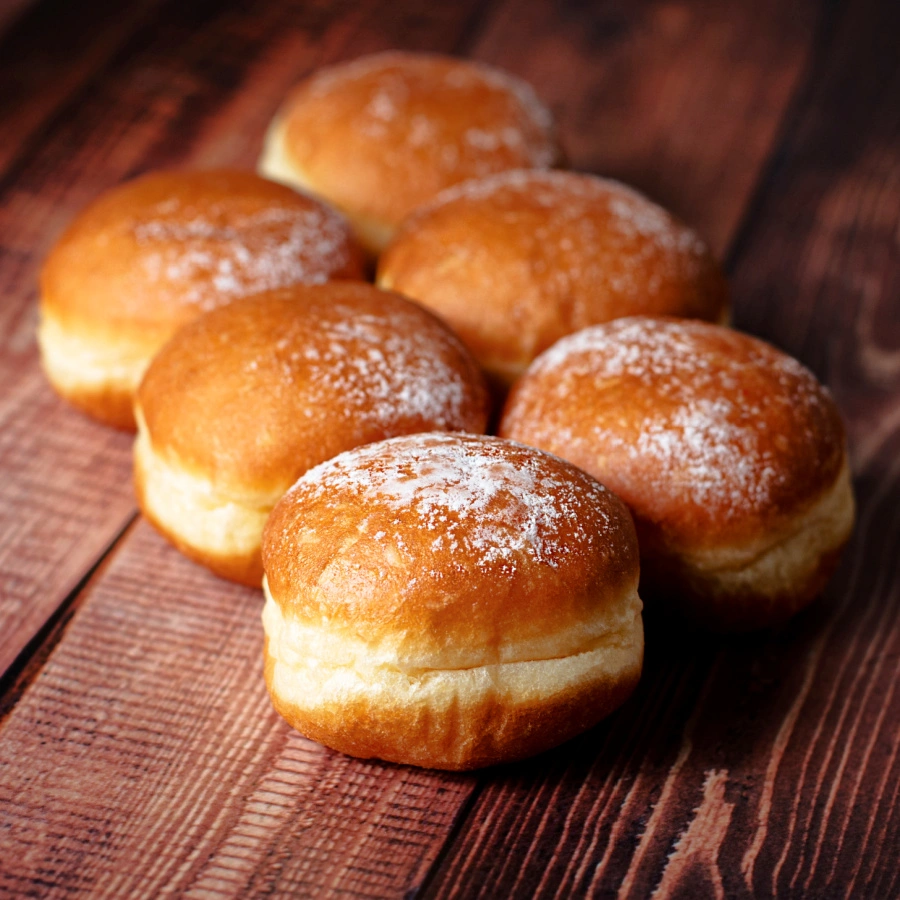 Fried German Berliners with the telltale white ring around the outside.
If you want an easier, lighter option, baking works beautifully. I truly think they are just as delicious, and as a bonus, your kitchen smells like fresh donuts, not frying oil.
This dough can also be used for frying with a few simple adjustments:
- Richer Dough: Slightly enrich with butter, eggs, or milk for a lighter fried texture.
- Double Rise: Let the dough rise, shape the donuts, then allow a second rise.
- Oil Temperature: Fry in oil at 350°F (175°C) in small batches, about 1-2 minutes per side.
- Drain Well: Remove with a slotted spoon and drain on paper towels.
- Finish: Cool slightly, fill with jam, then dust with powdered sugar or roll in granulated sugar.
How to Fill Berliners With Custard
Fruit jam is traditional, but vanilla custard makes these extra special.
- Prepare Custard: Make vanilla custard or pastry cream and let it cool completely.
- Fill: Once the Berliners are slightly cooled, pipe the custard into the center.
- Finish: Dust with powdered sugar, or drizzle with chocolate or caramel if you feel like dressing them up.
Simple, classic, and very hard to stop eating.
Tips for Perfect Baked Berliners
- Room Temperature Matters: Make sure butter and eggs are at room temperature so the dough comes together smoothly.
- Measure Carefully: Weigh ingredients if you can, especially flour. No scale? Fluff the flour, spoon it into the cup, and level. Never scoop straight from the bag.
- Get Creative With Fillings: Jam is classic, but custard, chocolate, or even lightly sweetened cream cheese are lovely changes.
- Watch the Bake: Keep an eye on them so they stay soft and fluffy. You want lightly golden, not dark.
Simple steps, big reward.
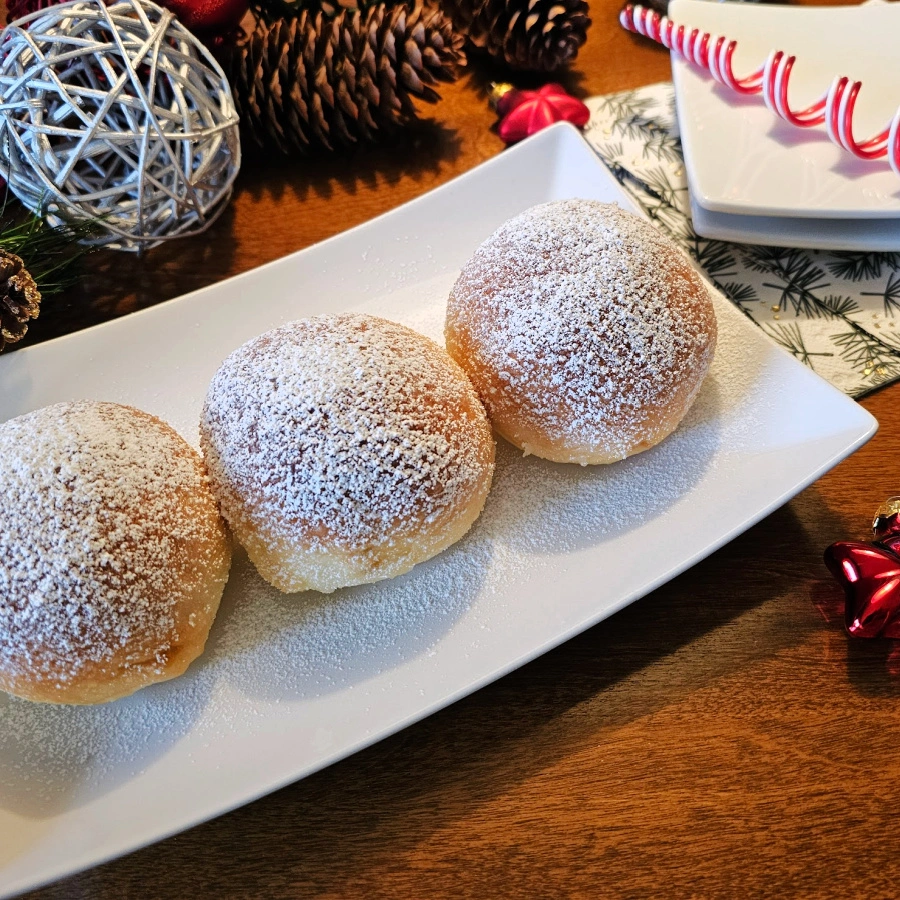

Oma's German Donuts Recipe (Berliner / Krapfen)
Looking for real German donuts? These Berliner, also called krapfen, are Oma-style classics, soft, lightly sweet, and perfect for filling, sharing, and reminiscing.
Prep Time:
30 minutes
Rise Time:
1 hour 30 minutes
Bake Time:
15 minutes
Total Time:
2 hours 15 minutes
Servings:
Makes 12 donuts
Ingredients:
For the Dough:
- ½ cup (120 milliliters) milk, lukewarm
- ¼ cup (50 grams) granulated sugar, divided
- 1 packet (2 1/4 teaspoons) active dry yeast
- 3 cups (375 grams) all-purpose flour
- ½ teaspoon (3 grams) salt
- 1 teaspoon (2 grams) lemon zest
- ¼ cup (60 grams) unsalted butter, softened
- 2 large eggs
- 1 teaspoon ( 5 milliliters) vanilla extract
For the Filling:
- ¾ cup (150 grams) raspberry jam
- Pastry bag with a piping syringe
For the Topping:
- 2 tablespoons (28 grams) melted butter
- ½ cup (100 grams) granulated sugar or powdered sugar for dusting
Instructions:
- Combine lukewarm milk, 1 tablespoon of sugar, and yeast in a bowl. Let it sit in a warm place for 5-10 minutes until it becomes frothy.
- In a large bowl, combine flour, remaining sugar, salt, and lemon zest. Add the yeast mixture, softened butter, eggs, and vanilla extract. Mix until a dough forms. Knead for 8-10 minutes by hand or with a stand mixer with a dough hook attachment until smooth. The dough should pull away from the sides of the bowl but remain soft.
- Place the dough in a greased bowl, cover with a kitchen towel, and let the dough rise in a warm place for about 1 hour or until doubled in size.
- Punch down the dough. Weigh the dough, divide the total weight by 12, then cut and adjust each piece to that weight. Roll each piece into smooth balls and place them on a parchment-lined baking sheet. Cover and let them rise for another 30 minutes until puffy.
- Preheat your oven to 375°F (190°C). Bake the dough balls for 12-15 minutes, or until lightly golden. Remove from the oven and transfer to a cooling rack.
- Once cooled slightly, use a piping bag with a filling tip to inject your jam into the side of each donut. Be careful not to overfill.
- Brush the donuts with melted butter while still warm. Roll them in granulated sugar for krapfen or dust them with powdered sugar for Berliners.
Notes/Hints:
- Use apricot or plum jam or a fruit jelly to fill the donuts.
- For a richer flavor, use homemade jam for the filling.
- These Berliners taste best on the day they are baked but can be reheated in a microwave or oven.
* * * * *
Unless otherwise noted recipe, images and content © Just like Oma | www.quick-german-recipes.com
Updated: May 20, 2026
FAQs about Berliner Donuts
What is the difference between Berliners and other donuts?
What is the difference between Berliners and other donuts?
Unlike traditional donuts with a hole, Berliners are filled with jam or other fillings. They are typically fried, though baked versions are becoming more common.
Can I make Berliners ahead of time?
Can I make Berliners ahead of time?
Berliners are best enjoyed fresh but can be stored in an airtight container for up to 2 days. Reheat them briefly in the oven or microwave to restore softness.
Can I freeze Berliners?
Can I freeze Berliners?
Yes, you can freeze baked unfilled Berliners. Thaw and warm them before filling.
You might like these
Crepes Recipe with Cherries – Oma's Crepeauflauf mit Kirschen*
This crepes recipe is one of the great brunch menu ideas that's so special yet easy to make.
Easy Homemade German Marzipan Recipe in 5 Minutes
Make this easy homemade German marzipan recipe in 5 minutes using almond flour and powdered sugar. Naturally vegan, eggless, and delicious.
Black Forest Hot Chocolate (German-Inspired Christmas Drink)
Rich Black Forest hot chocolate with dark chocolate, cocoa, whipped cream, and a splash of cherry liqueur. Warming German-inspired Christmas drink.
German Spaghetti Ice Cream Recipe: Oma's Spaghettieis.
Spaghetti Ice Cream Recipe: Vanilla ice cream pressed into spaghetti strands, topped with strawberry sauce, chocolates, and white chocolate shavings—a playful German treat!
How to Make Iced Coffee: German Eiskaffee – Delicious and Easy.
Learn how to make authentic Eiskaffee, the delicious iced coffee served in Germany. This traditional recipe combines coffee and ice cream for a quick and easy dessert. Try it now.
Oma's Kirschenmichel – Easy Bread Pudding With Cherries.
Kirschenmichel is an easy bread pudding that's very popular in southern Germany. It's a Semmelauflauf with cherries in northern Germany. So good!
Comments? Questions?
You can leave a comment about this recipe or ask a question...
Pop right over to my private Facebook group, the Kaffeeklatschers. You'll find thousands of German foodies, all eager to help and to talk about all things German, especially these yummy foods.
Meet with us around Oma's virtual table, pull up a chair, grab a coffee and a piece of Apfelstrudel, and enjoy the visit.
Recent Articles


-
German Christmas
Oct 22, 26 09:23 AM
Yes, we have real Christmas trees and real candles, not false ones. Every room has a door, so the parents can put up the Christmas tree before the evening -
Sauerbraten
Oct 15, 26 07:54 AM
My grandmother always made Sauerbraten but did not leave a recipe. I tried for many years to find one that tasted like hers. Loads of expriements until -
Cucumber and Dill Pickle Salad (Gurkensalat mit Gewürzgurken)
Sep 27, 26 01:04 AM
 This cucumber salad with pickles is creamy, crunchy, and full of fresh flavor. It makes an easy side dish that pairs perfectly with your favorite German-inspired meals.
Words to the Wise
"The godly are showered with blessings; the words of the wicked conceal violent intentions."
Proverbs 10:6 (NLT)
Let's connect...

From Oma's heart
to your table
Complete your set today - order now!





Hi, I'm Oma Gerhild! As a food writer and cookbook author, I'm always looking to find ways to pass on my German heritage using local ingredients. Quick and easy. That's my goal. Wunderbar food. That's the result.
What others are saying about Oma's cookbooks
As a German-American that is a bit culinarily challenged, this book is a true blessing...
This classic cookbook (German Meals at Oma's) has not only a variety of different recipes, but also key notes to help even those with little experience in the kitchen learn to make excellent German cuisine.
Erika Neumayer Ehrat, Owner & designer of Rare Dirndl

Discover our Just Like Oma family of websites:




Across media platforms, the Just Like Oma family of websites are celebrated for making German cooking, travel, and heritage fun & simple to understand, and easily accessible for everyone!





















Copyright © | Quick German Recipes (Just like Oma) | A Fulson Media Group Inc. Brand | All Rights Reserved
Powered by: Make Your Knowledge Sell!
AFFILIATE DISCLOSURE: Quick German Recipes is a brand of Fulson Media Group Inc., which participates in various affiliate advertising to provide a means to earn advertising fees by linking to retail websites. Additionally this website is a participant in the Amazon Services LLC Associates Program, an affiliate advertising program designed to provide a means for sites to earn advertising fees by advertising and linking to amazon.com and affiliated sites. We do not promote products we do not own or would not buy ourselves. Our goal is to provide you with product information and our own personal opinions or ideas. At times, we will showcase services, programs, and products. We aim to highlight ones that you might find interesting, and if you buy future items from those companies, we may get a small share of the revenue from the sale. We are independently owned and the opinions expressed here are our own.
PHOTOGRAPHY: Throughout this site, you'll find mostly photos that we've taken in our kitchen(s). We also feature some reader-contributed images and curated stock IMAGES BY Deposit Photos and others, offering further perspectives on recipes and all things German.
YOU SHOULD ALWAYS PERFORM DUE DILIGENCE BEFORE BUYING GOODS OR SERVICES ONLINE.
